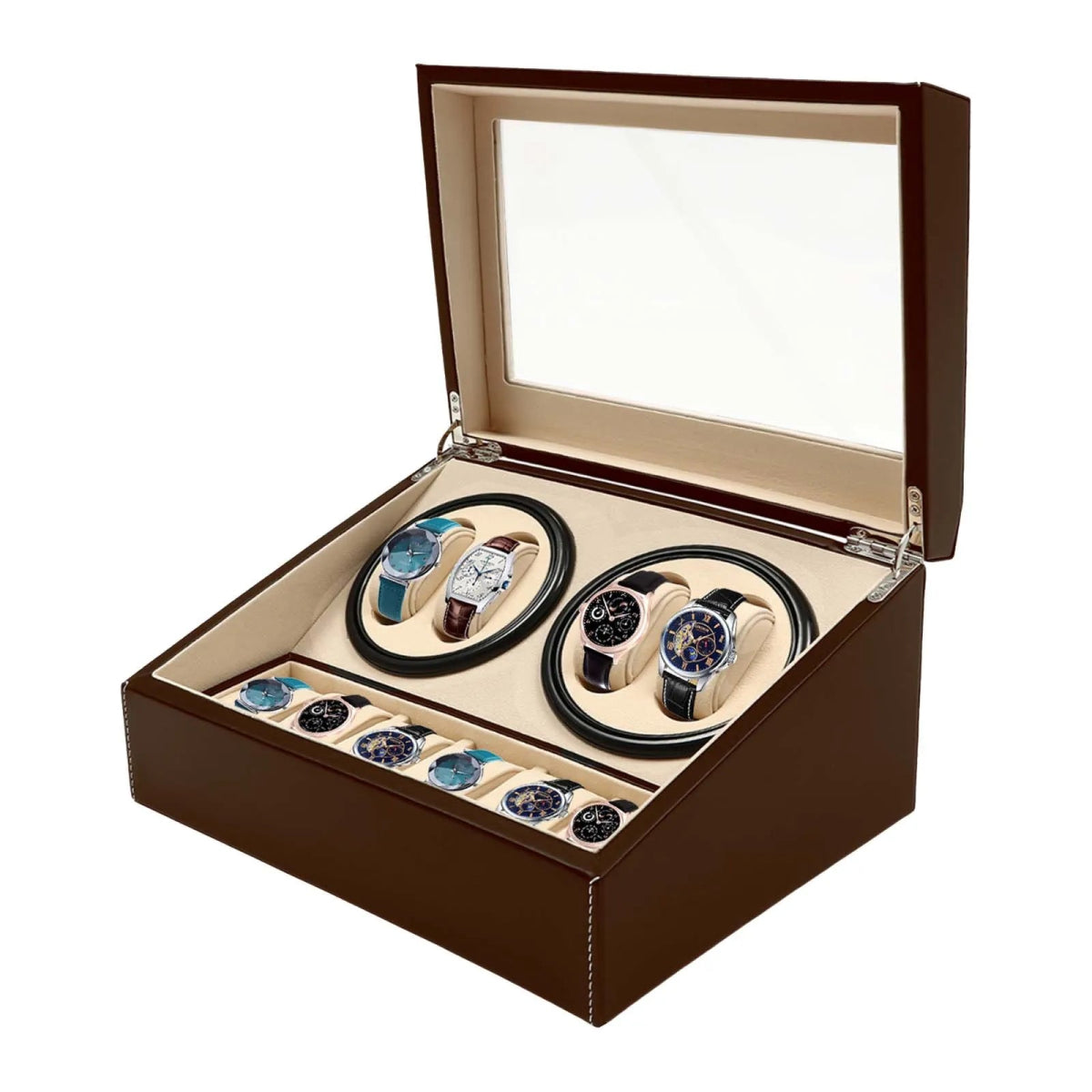
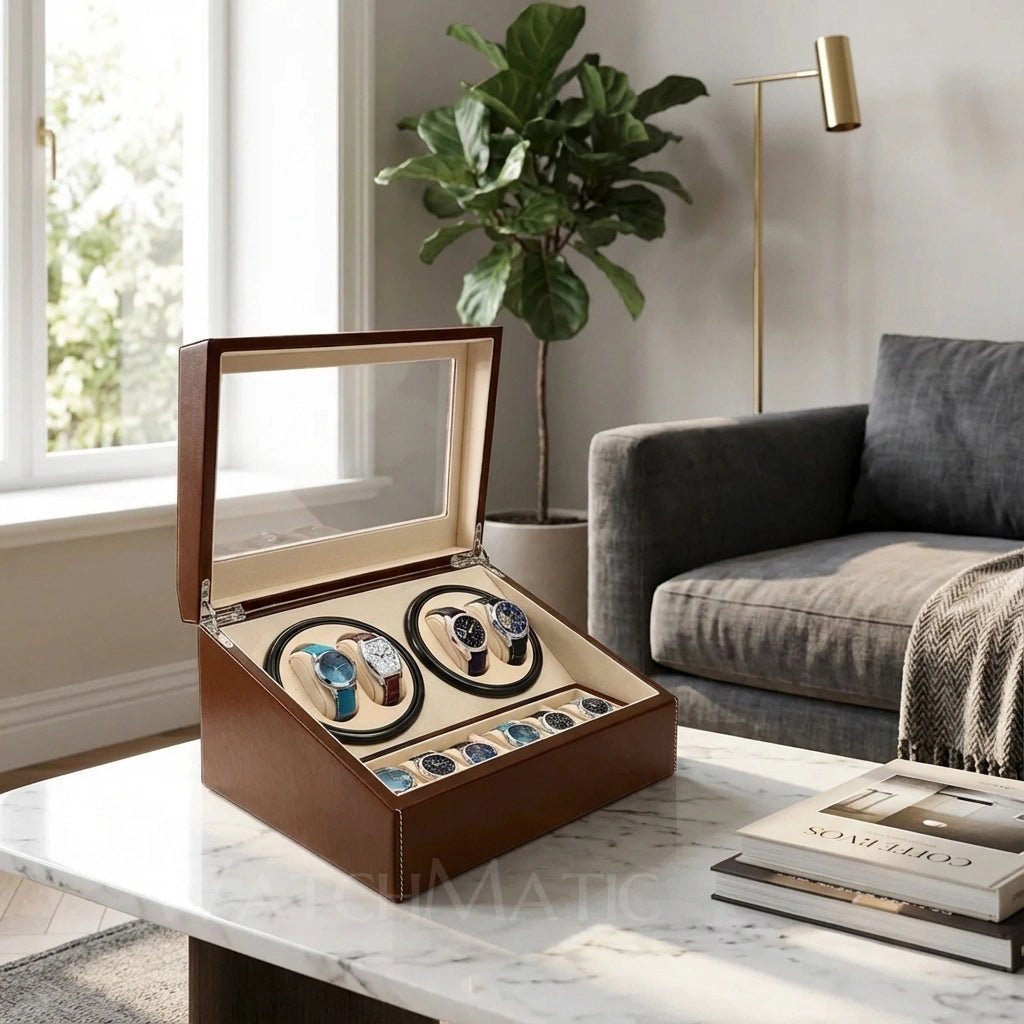
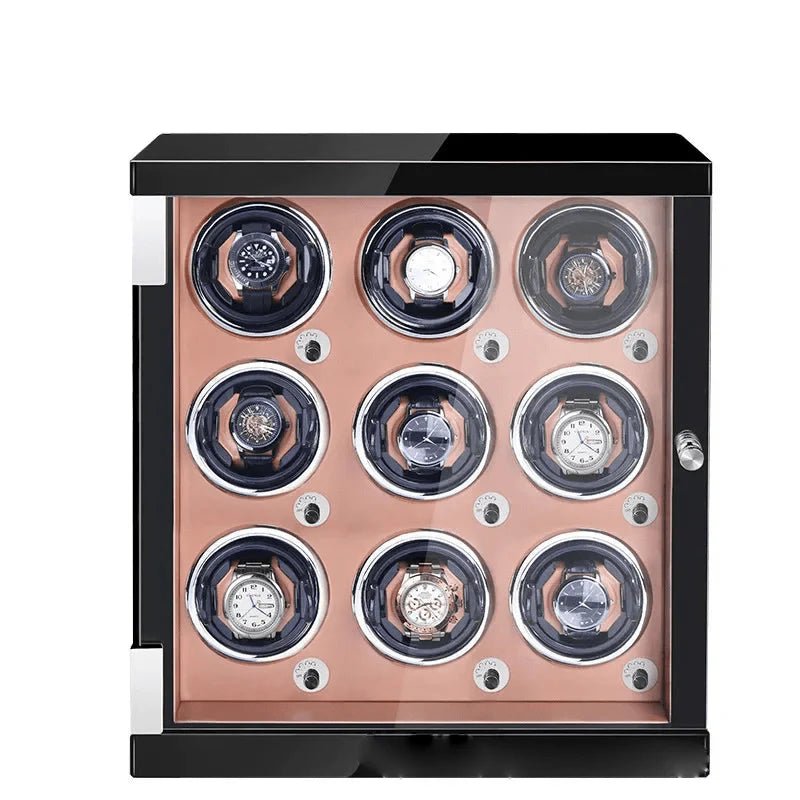
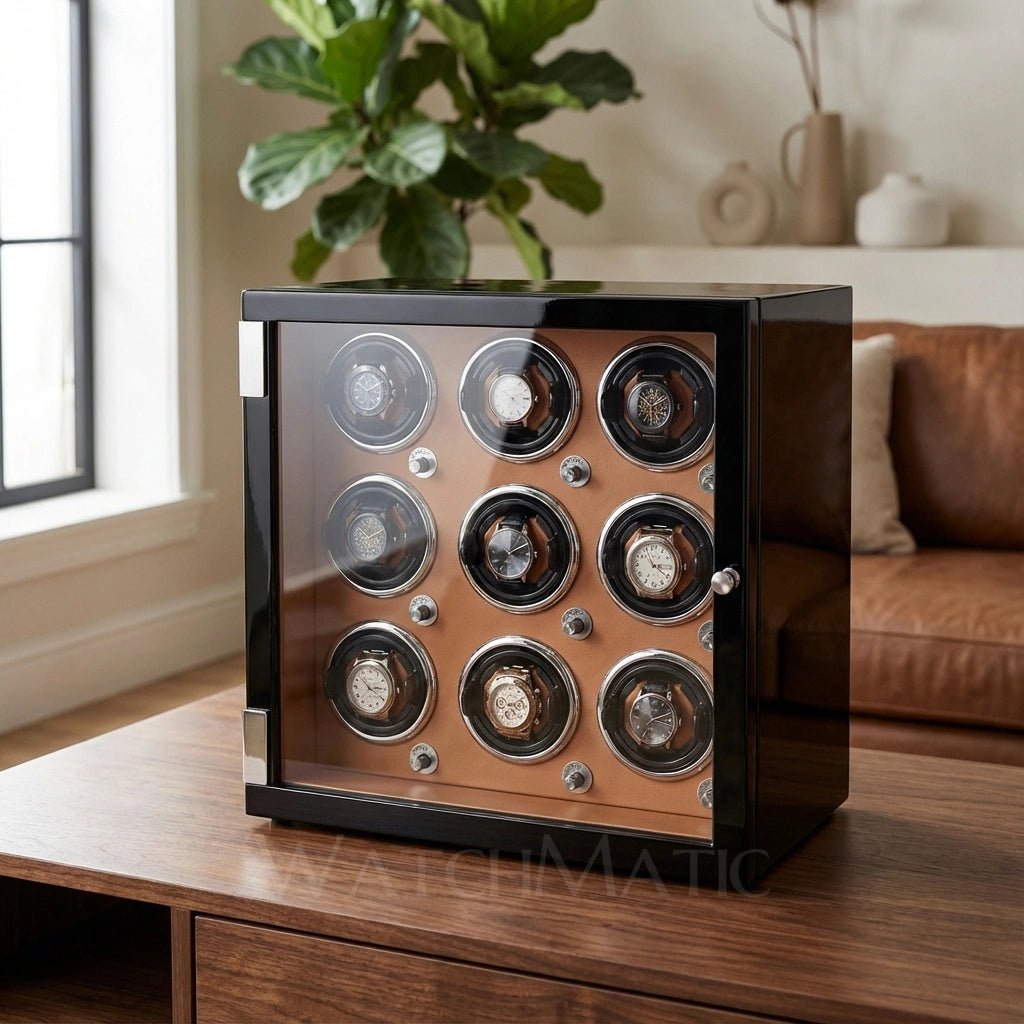
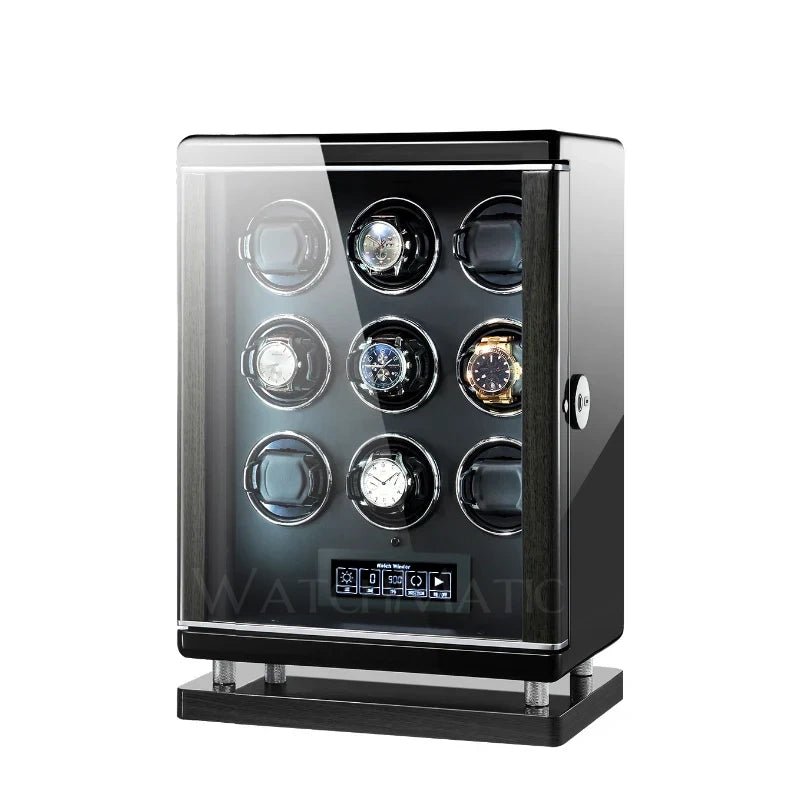
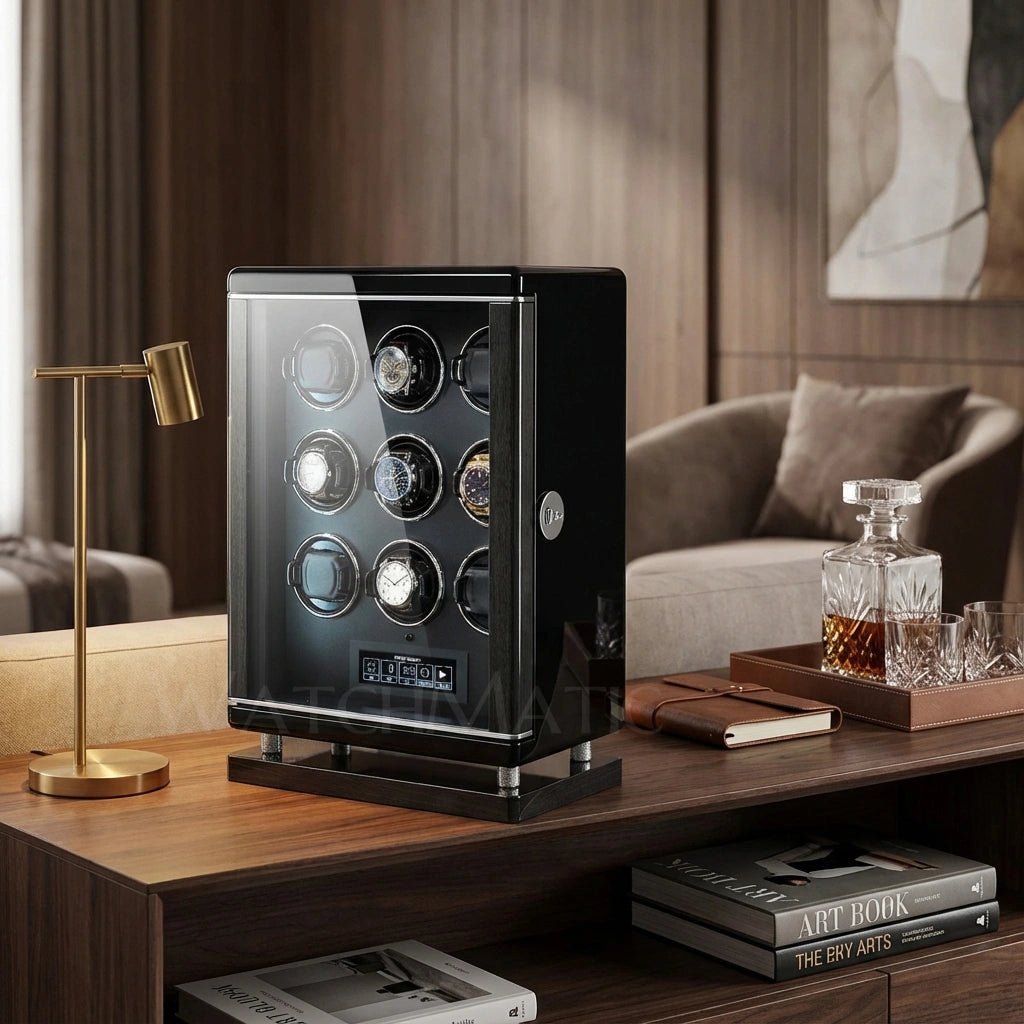
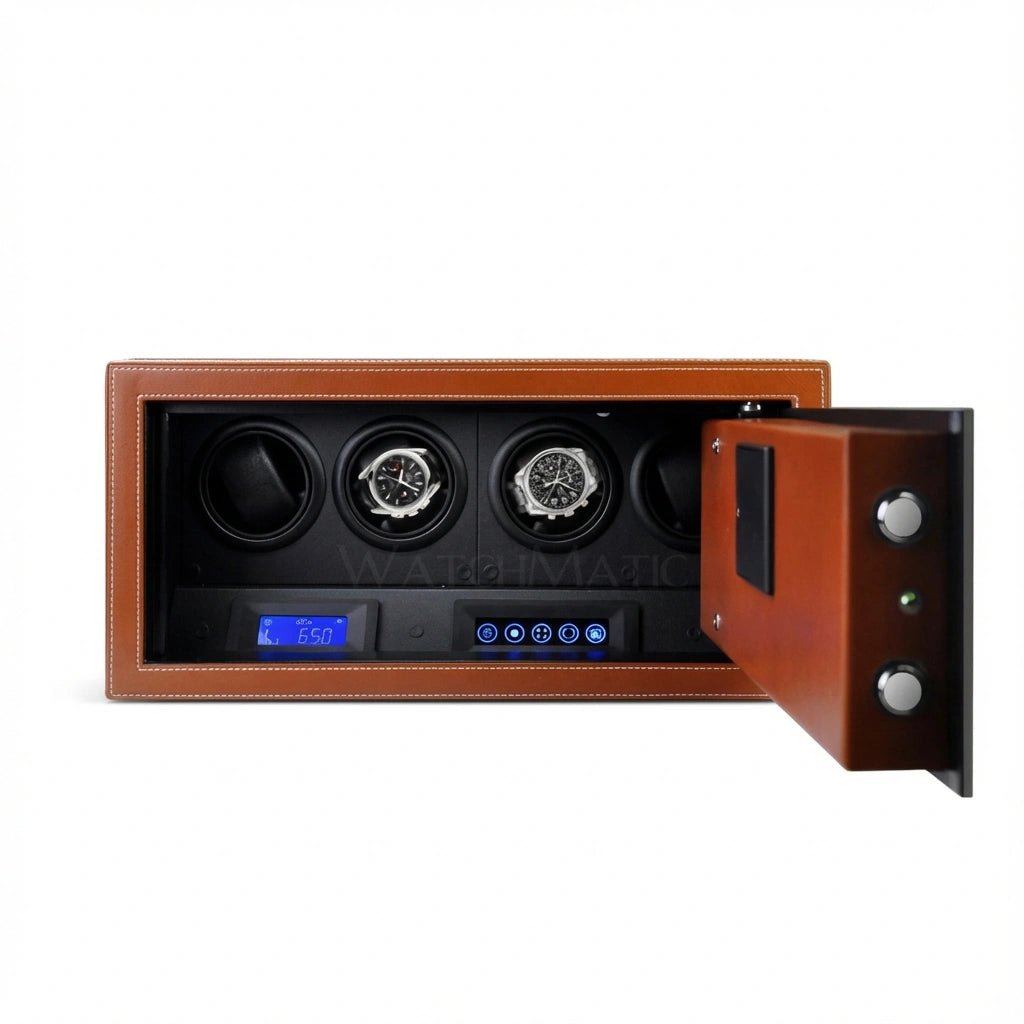
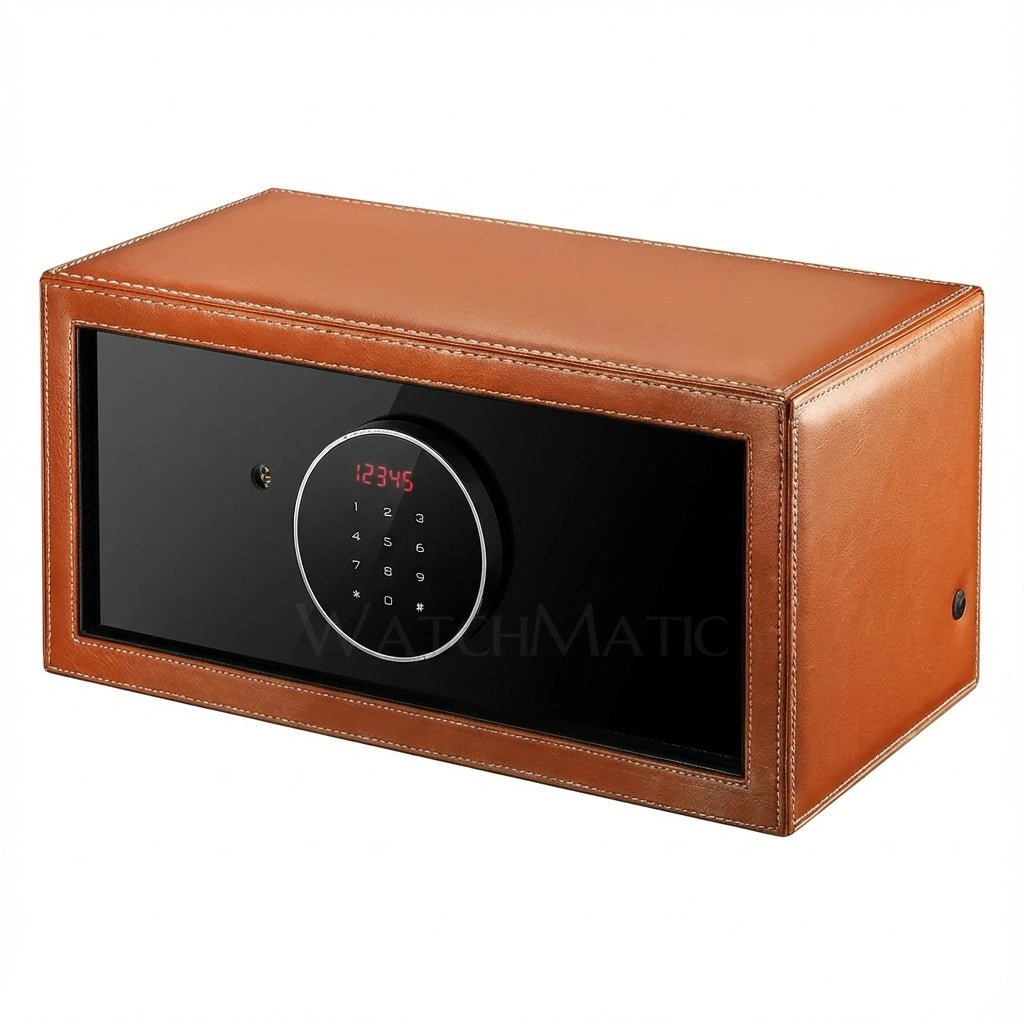
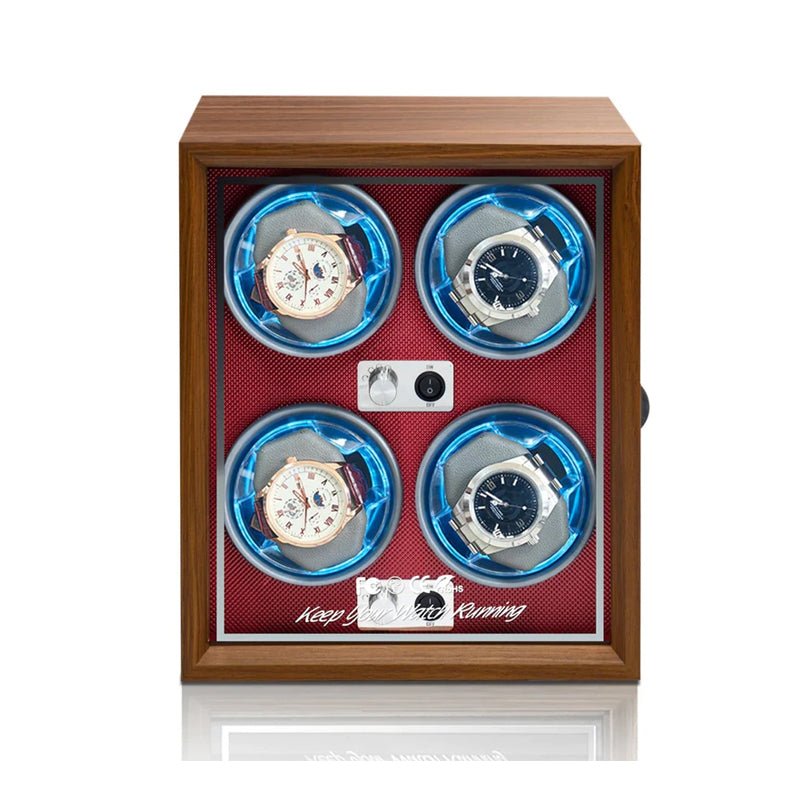
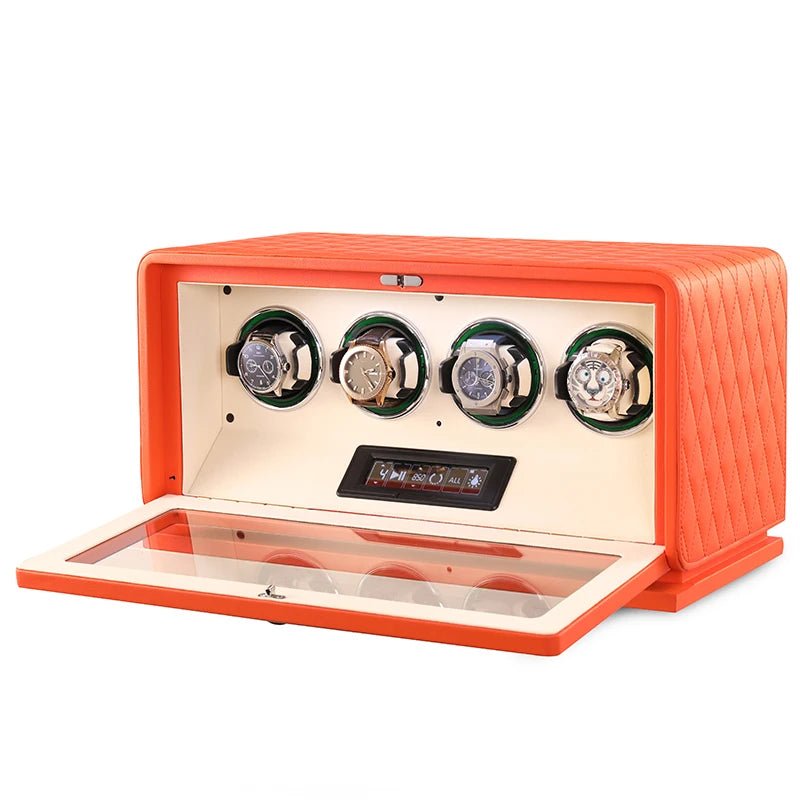
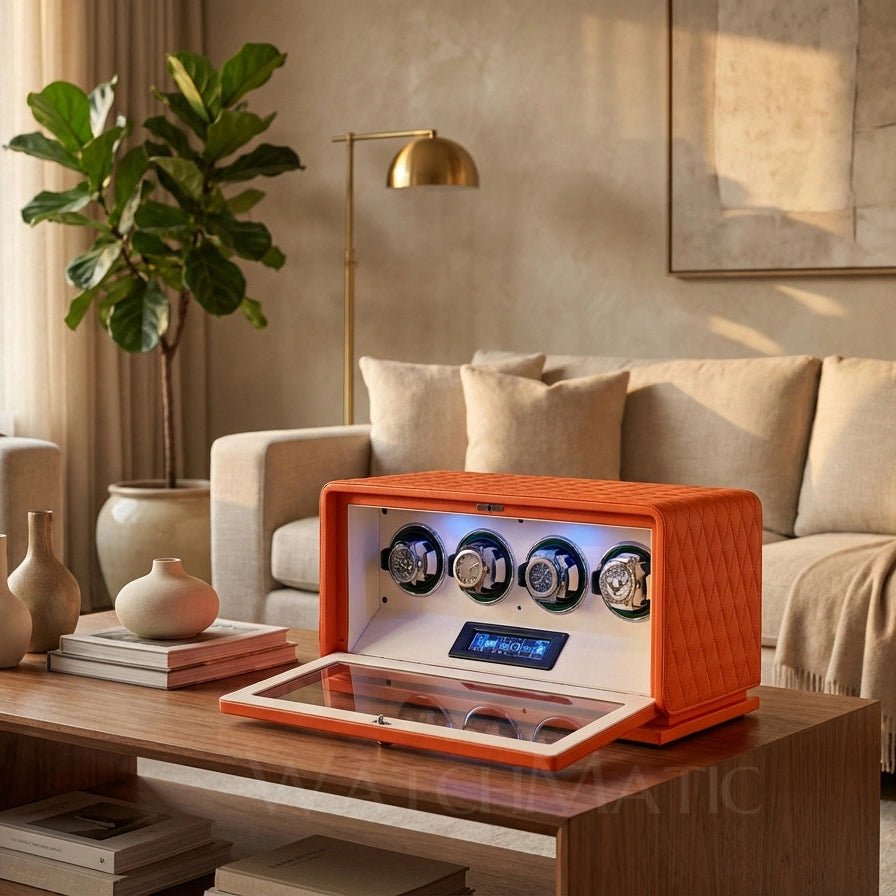
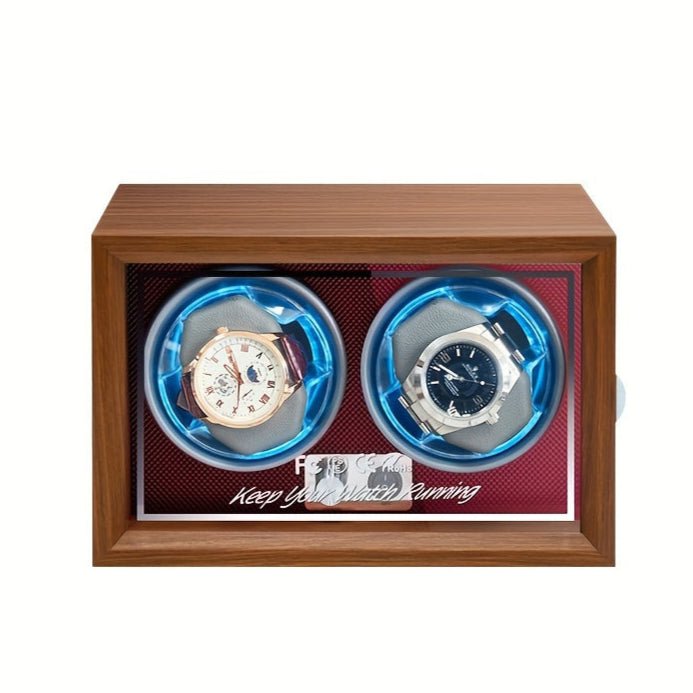
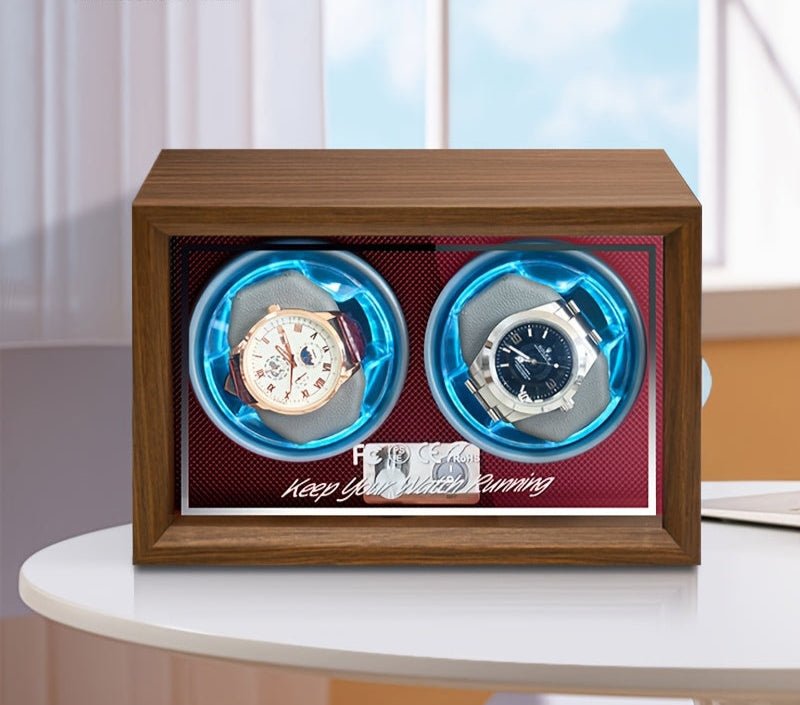
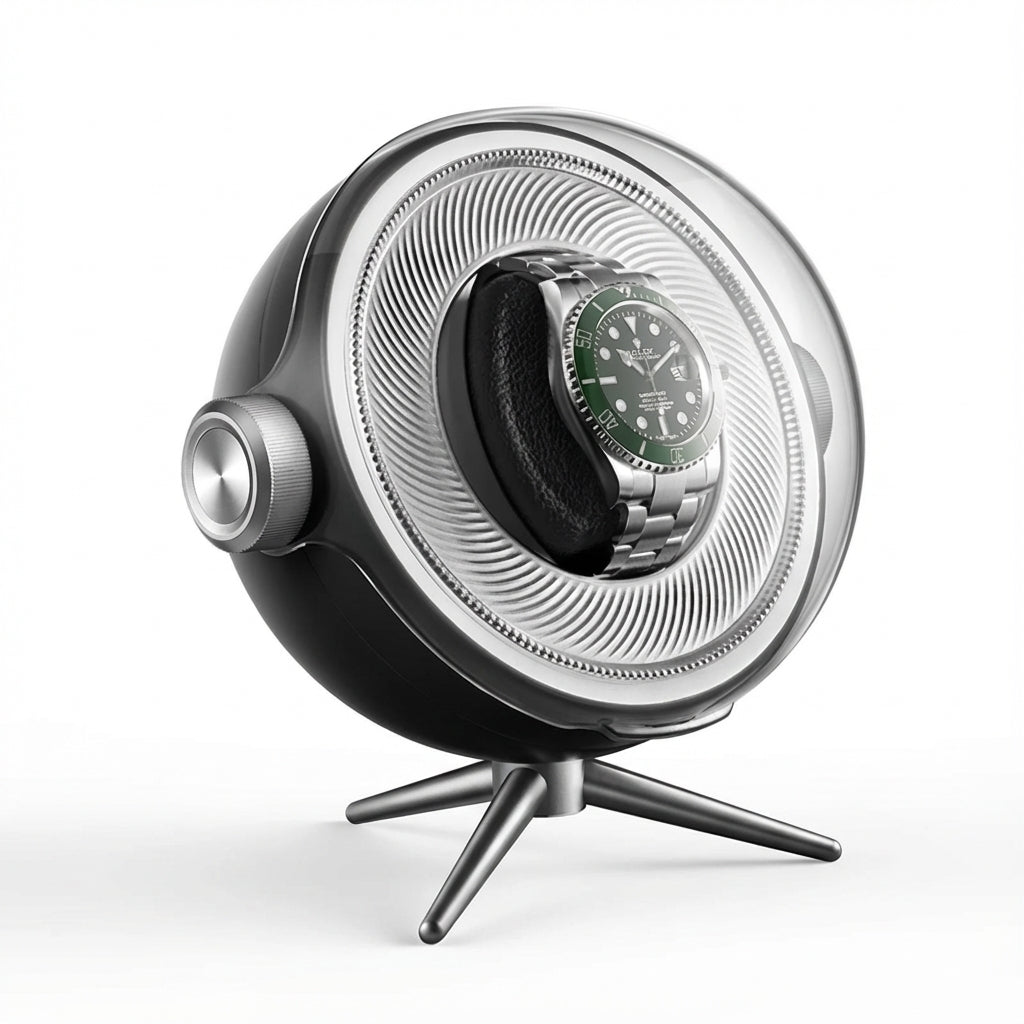
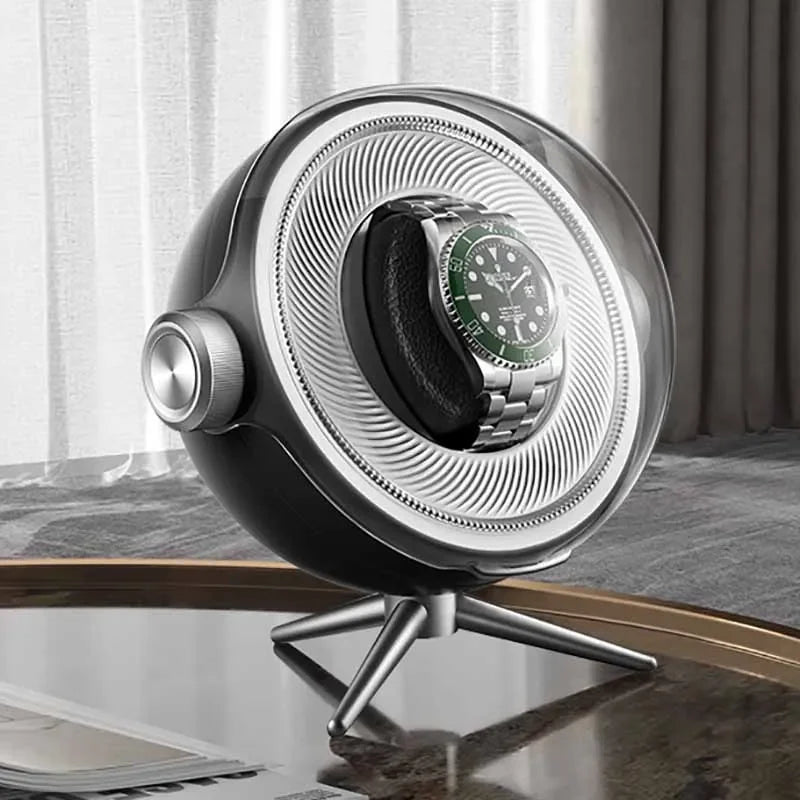
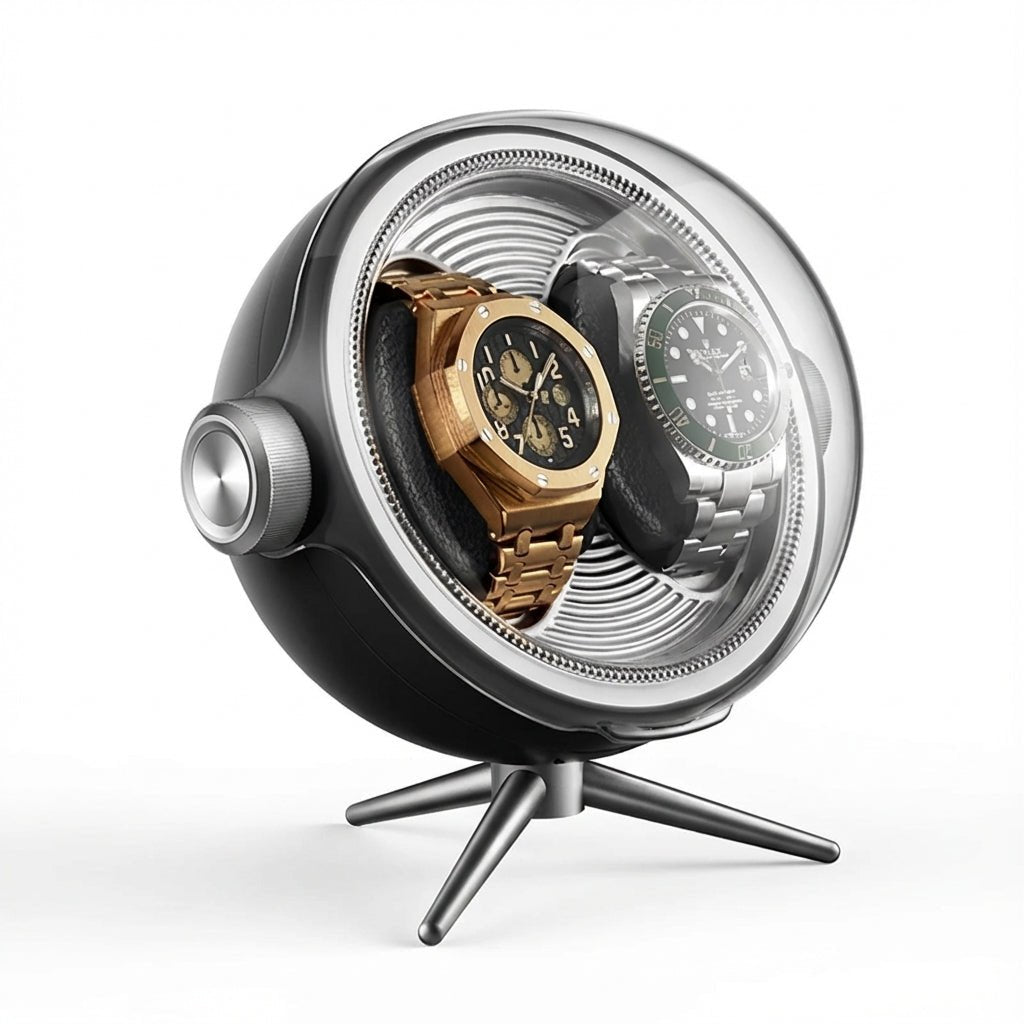
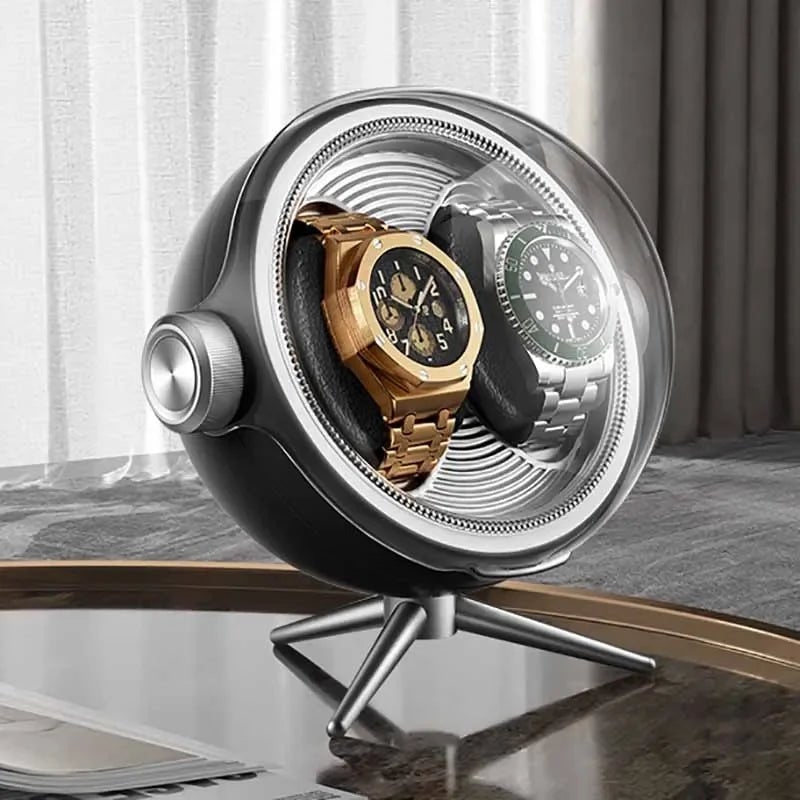
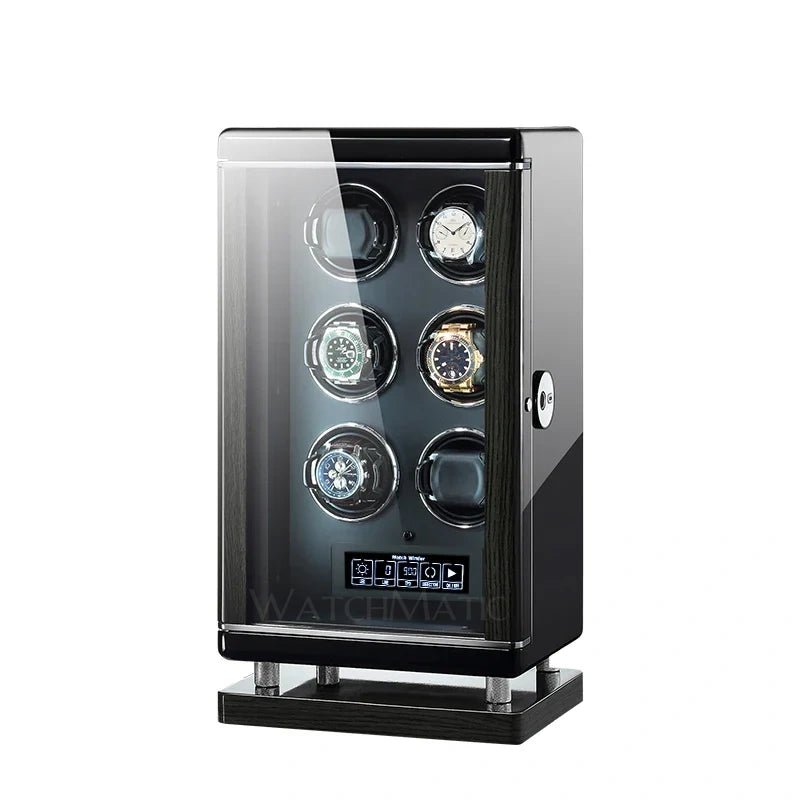
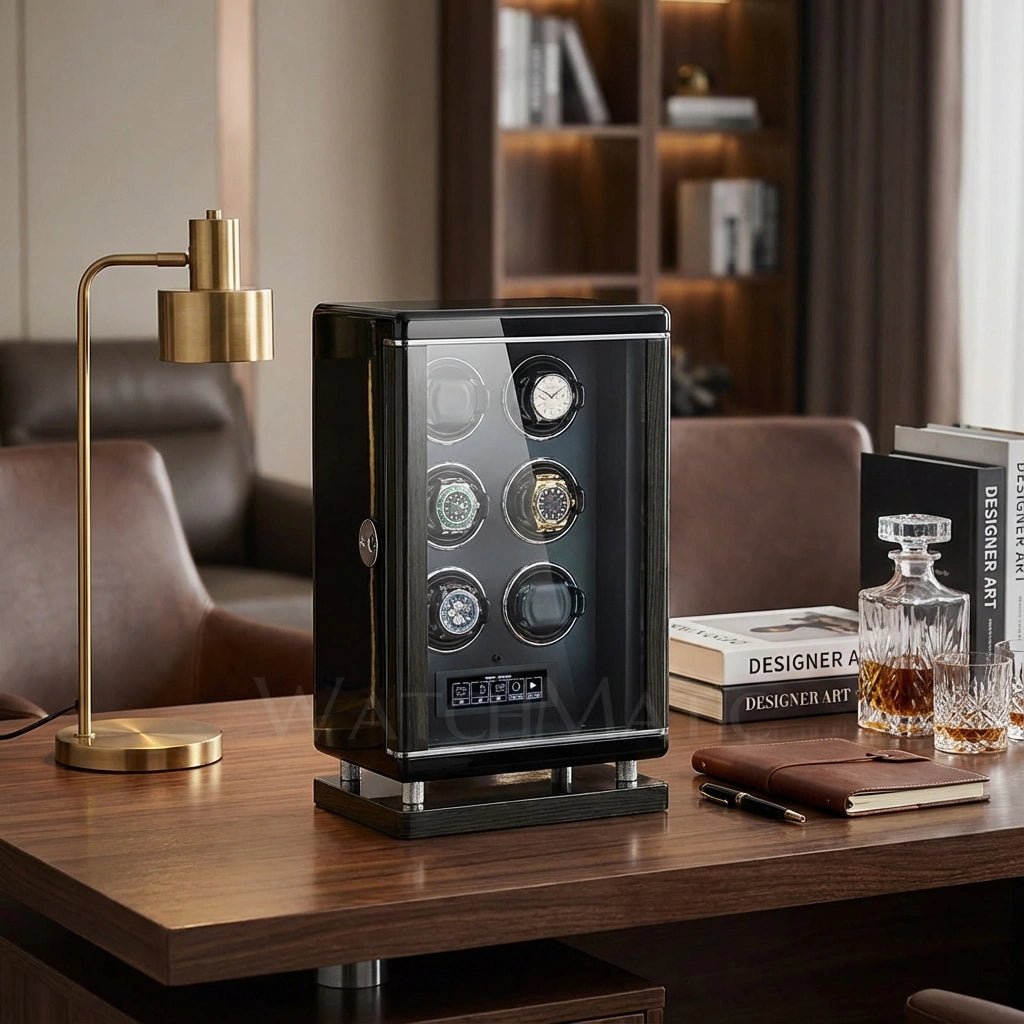
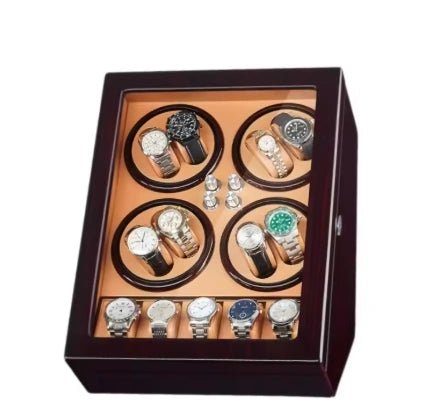
Whether it is better to stop an automatic watch or keep it running on a winder depends on the frequency of use and the complexity of the movement. For watches with complex calendars, keeping them running on a precision winder from WatchMatic prevents mechanical strain from frequent resetting, while for simple time-only watches worn infrequently, allowing them to stop may reduce long-term gear train wear.
The Great Horological Debate
As a dedicated resource operated by Watch Matic LLC, we are frequently asked: "Am I hurting my watch by letting it stop, or am I wearing it out by keeping it on a winder?" The answer isn't a simple yes or no; it is about finding the equilibrium between mechanical wear and operational convenience.
The Case for Keeping It Running
Automatic movements are designed for continuous motion. Modern synthetic oils used in luxury timepieces like Rolex or Patek Philippe are highly stable, but they still benefit from consistent distribution.
- Complication Preservation: For Perpetual Calendars or Moon Phase watches, resetting the movement after it stops is not just a chore - nearing the end of a month or year, frequent manual adjustments can put unnecessary stress on delicate calendar wheels.
- Crown & Stem Longevity: Every time you unscrew a crown to reset a stopped watch, you engage the gaskets and threads. Over years of ownership, a winder reduces the cumulative wear on these critical water-resistance components.
- Ready-to-Wear Convenience: For the modern collector, the primary benefit of WatchMatic solutions is the ability to rotate between timepieces seamlessly without the ritual of time-setting.
The Case for Letting It Stop
If a watch is only worn once every few months, keeping it on a winder 24/7 for 365 days a year might be unnecessary.
- Component Longevity: Like any mechanical system, gears and pivots experience microscopic wear while in motion. If a watch is not part of your regular rotation, letting it rest can extend the time between recommended service intervals.
- The "Old Oil" Myth: In the past, organic oils would "clog" or "dry up" if a watch sat still. Modern synthetic lubricants have largely solved this issue, meaning a watch can safely sit for several weeks without the oils congealing.
The WatchMatic Recommendation: The Middle Ground
We believe in "Smart Winding." You don't have to choose one extreme or the other.
- For Daily/Weekly Rotations: Use a winder. The benefits of crown protection and convenience far outweigh the negligible wear of the gear train.
- For Seasonal Pieces: Let them rest. If you only wear a specific gold dress watch for special events twice a year, it is perfectly fine to let it stop.
- For Complex Movements: Use a winder with independent control. This ensures the watch stays synchronized without over-stressing the mainspring.