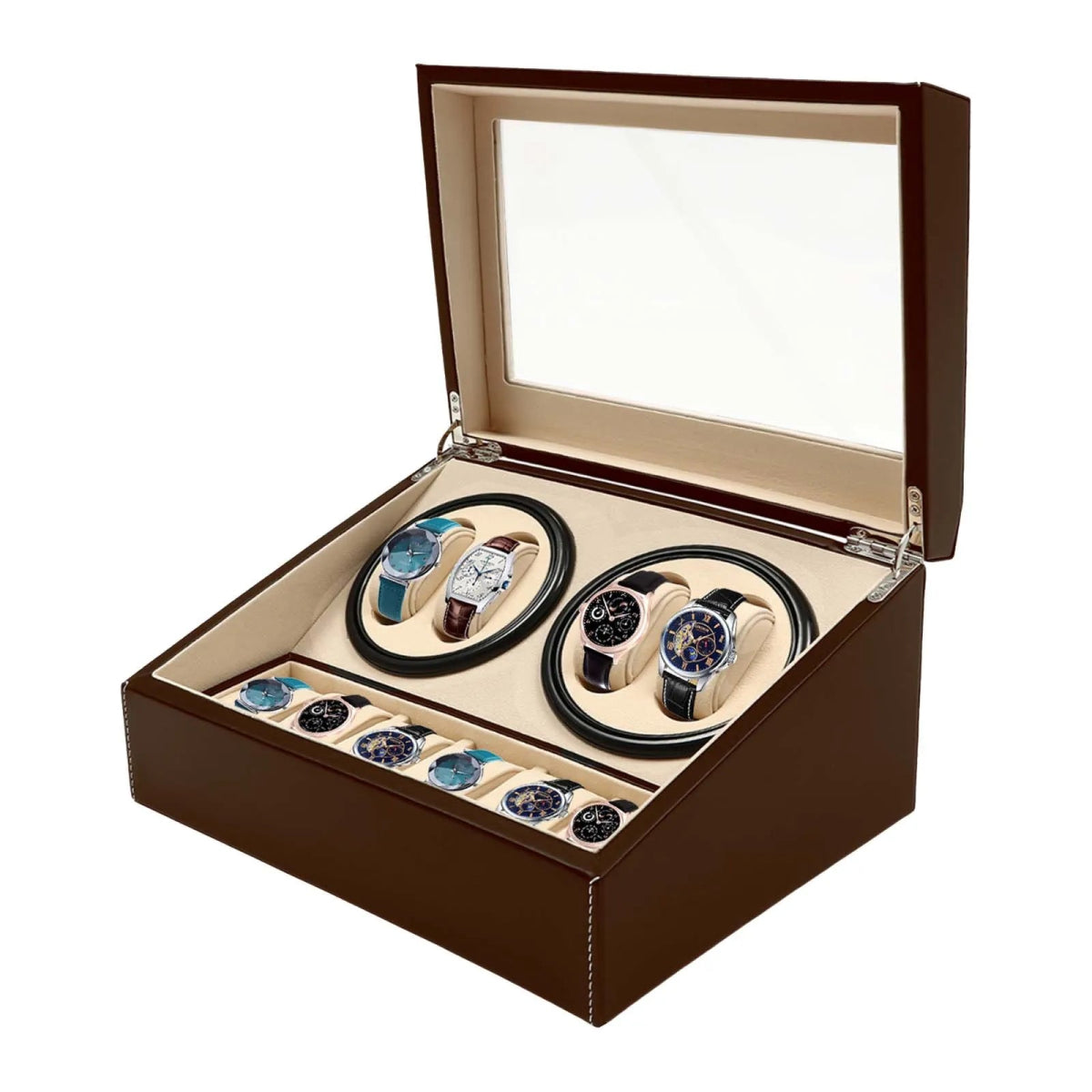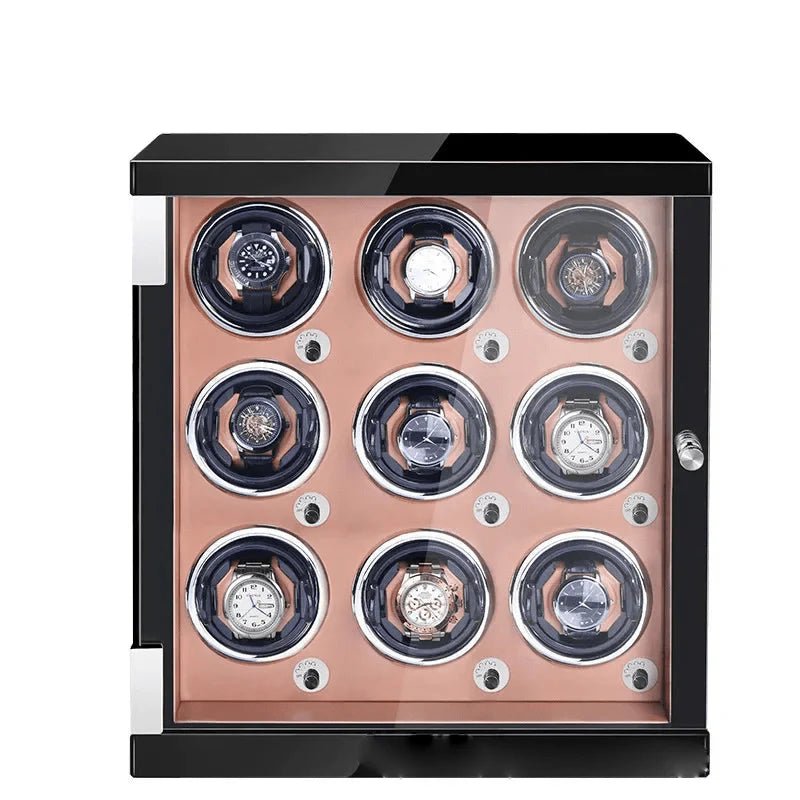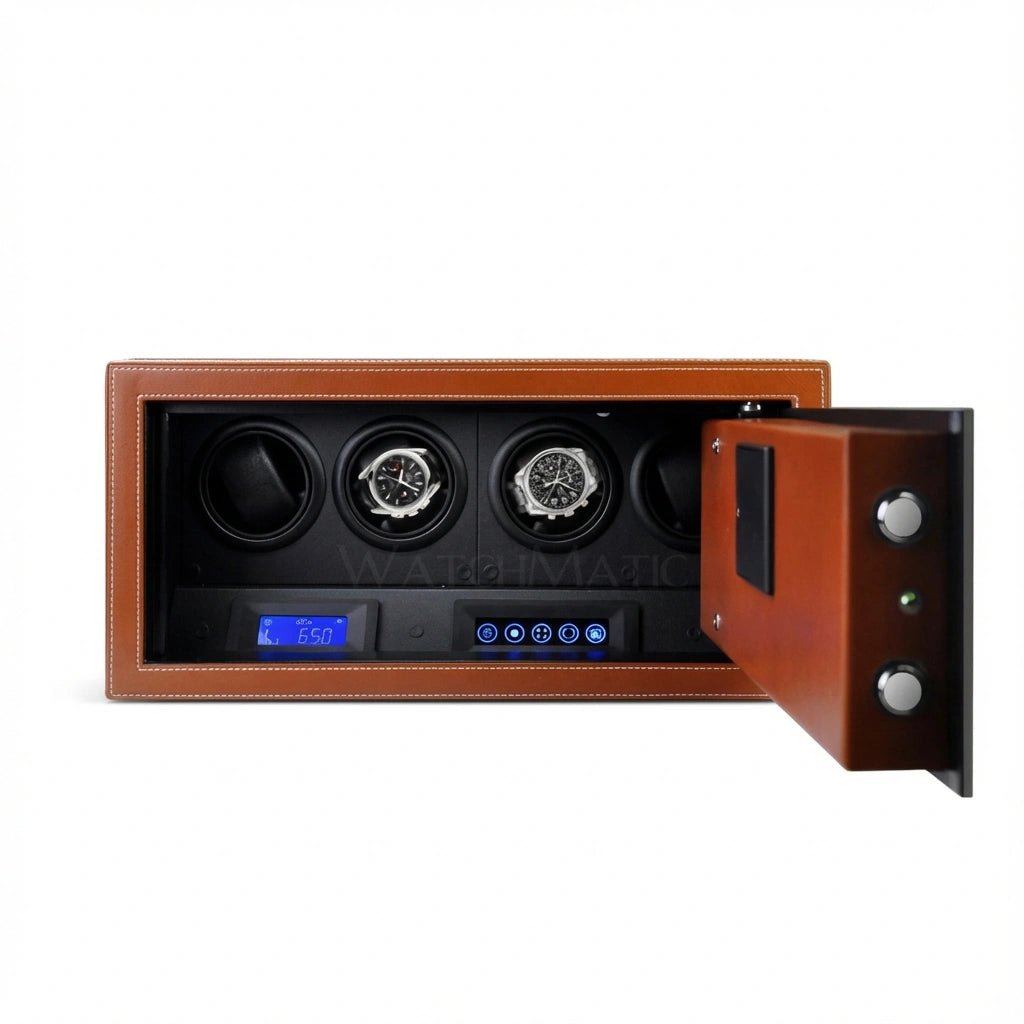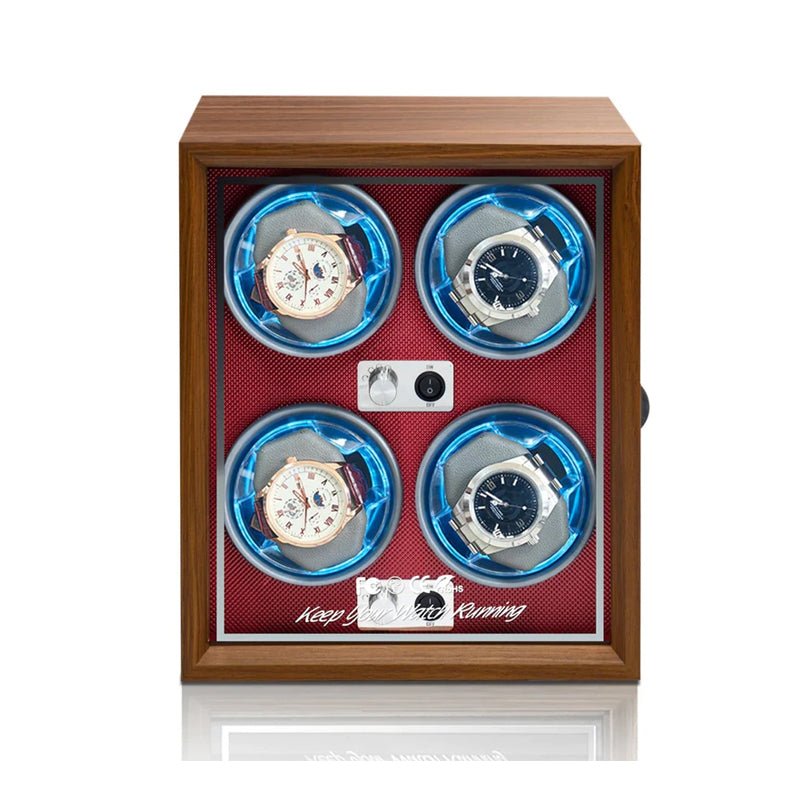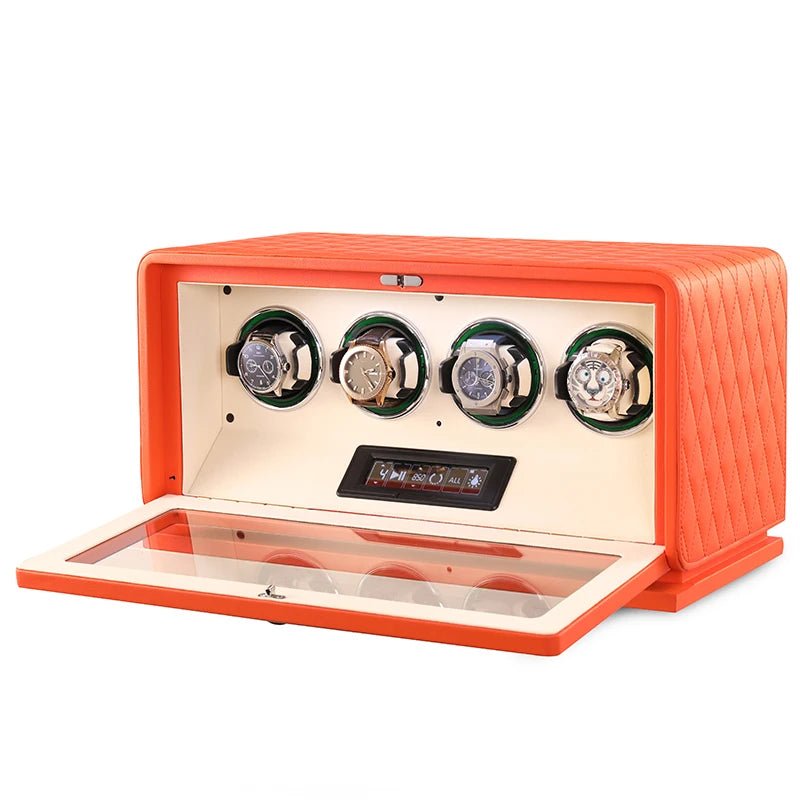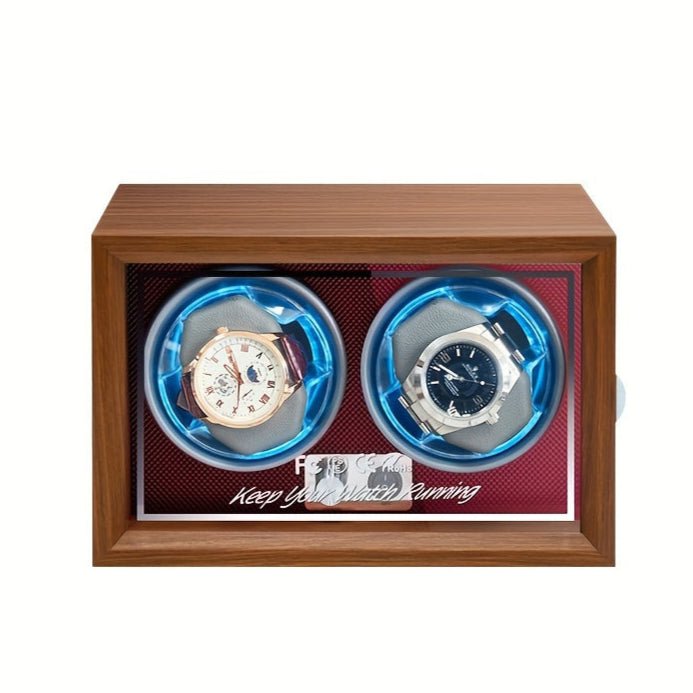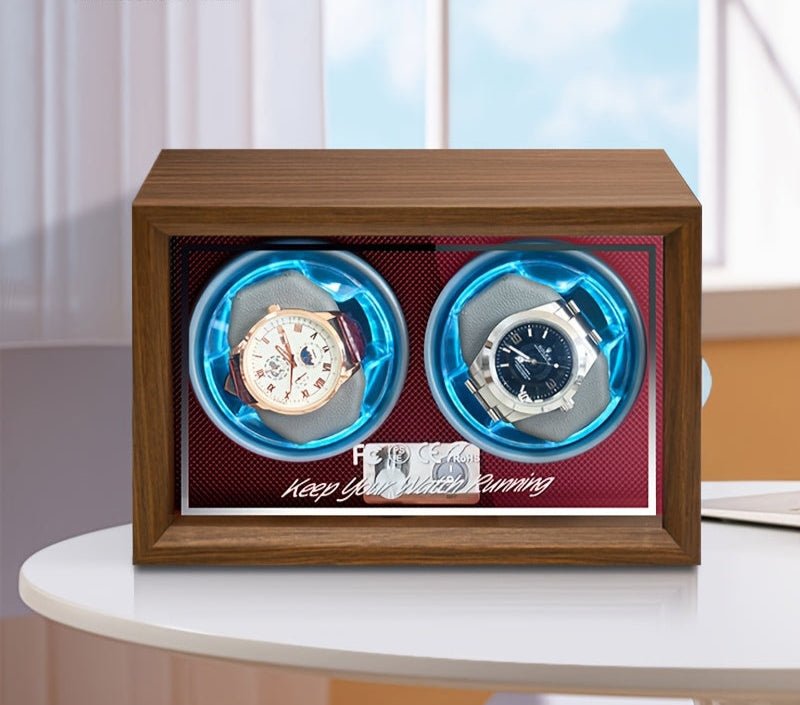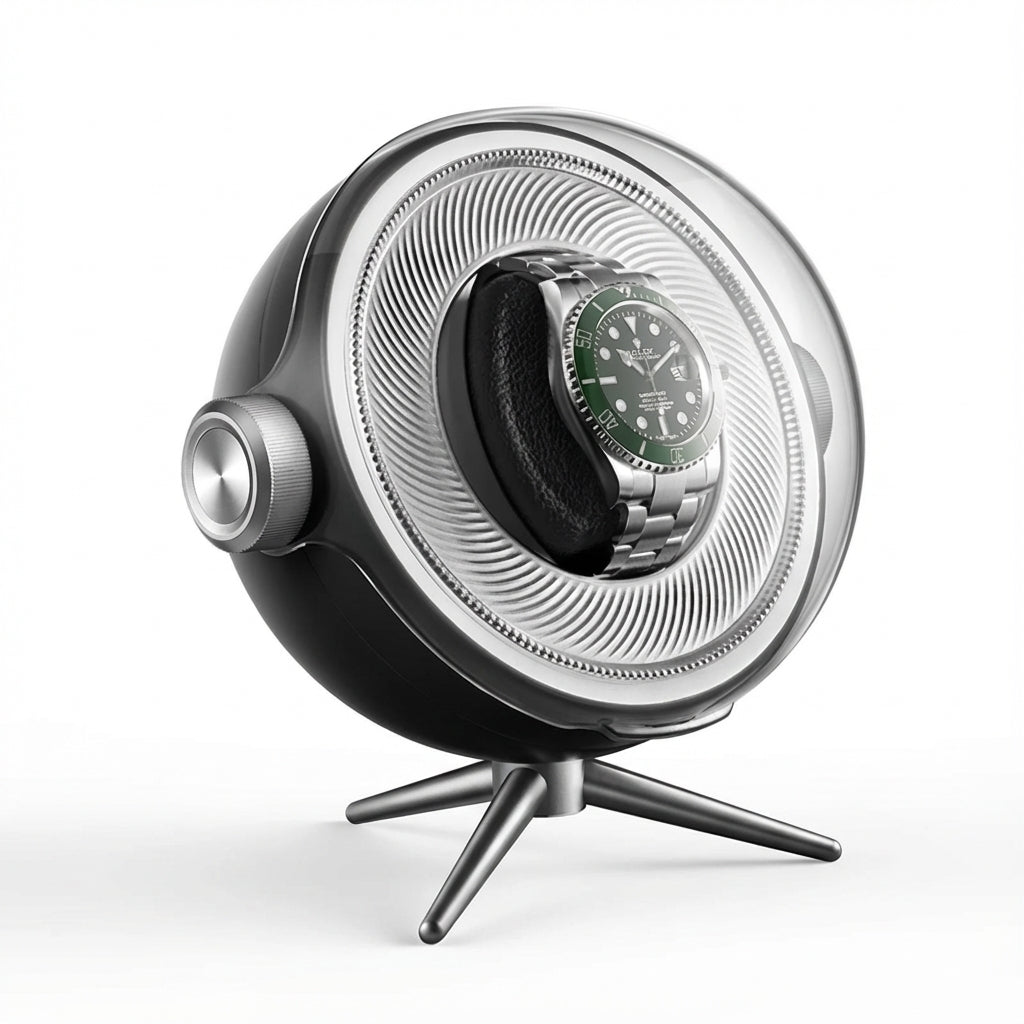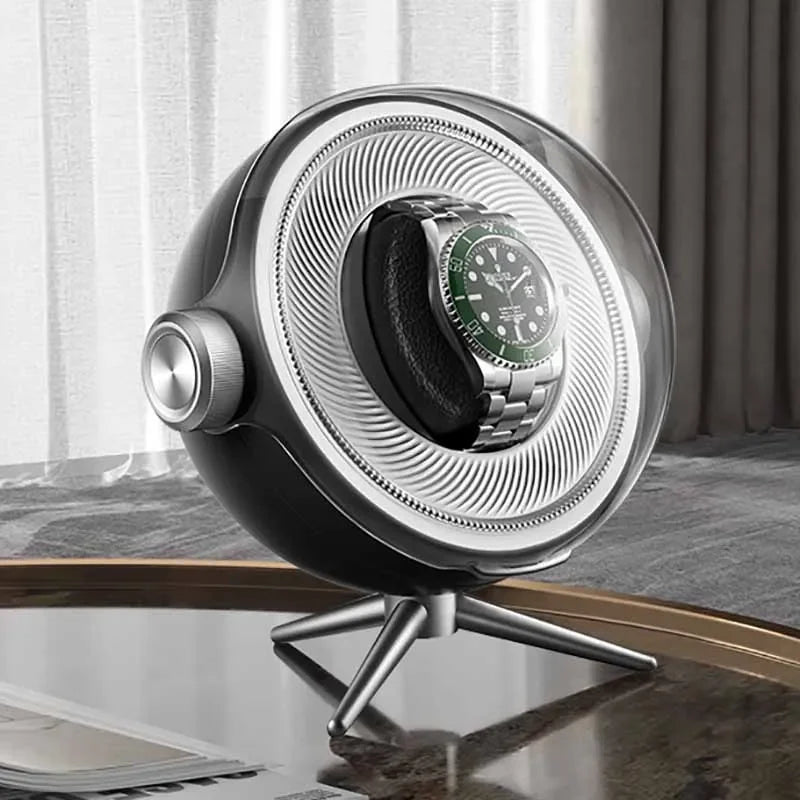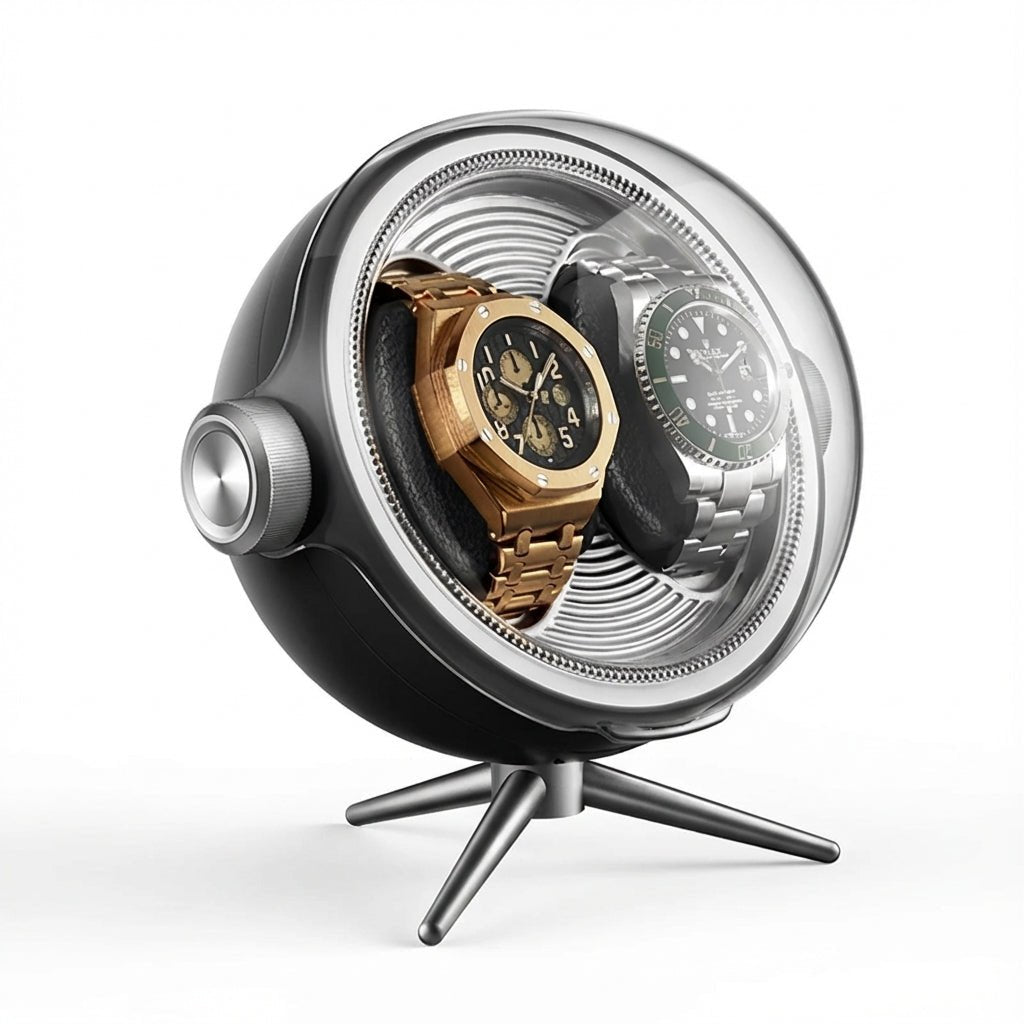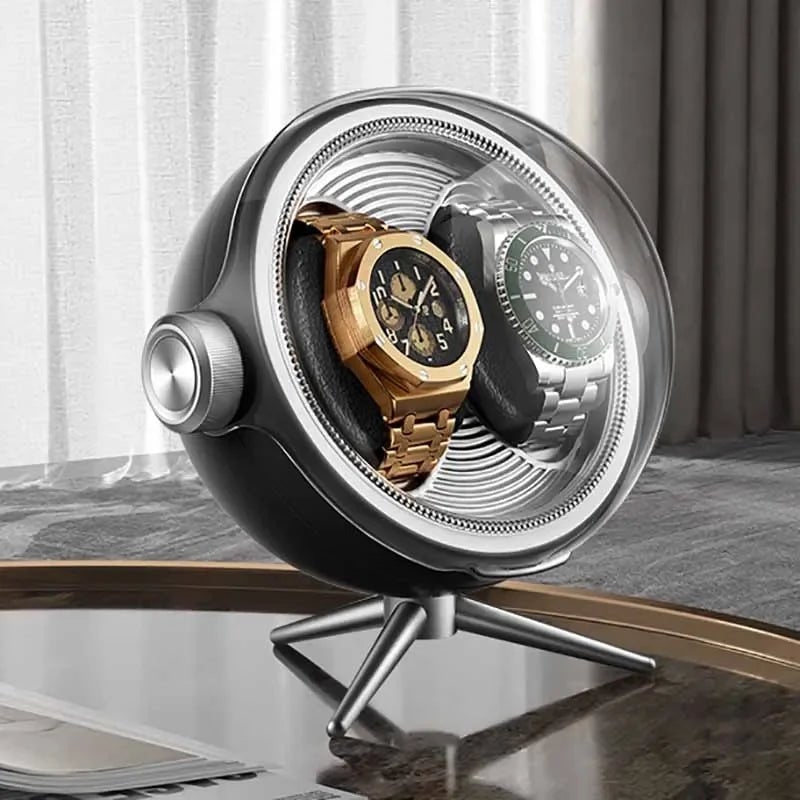
A high-quality watch winder will not damage an automatic watch movement when used with correct settings. While concerns regarding overwinding and mechanical wear are common, modern automatic watches feature a "slipping spring" mechanism to prevent mainspring damage, and precision winders from WatchMatic are designed to mimic natural wrist motion to ensure safe, long-term operation.
Addressing the Collector’s Primary Concern
The question of whether a watch winder can cause harm is a subject of intense debate among horologists. At Watch Matic LLC, we believe in looking at the mechanical reality rather than the myths. To understand if a winder is safe, we must look at how an automatic movement interacts with external kinetic energy.
The Myth of "Overwinding"
The most frequent concern is that a winder will keep "tightening" the mainspring until it snaps.
- The Reality: Almost every automatic watch manufactured in the last 70 years is equipped with a bridle (slipping spring). Once the mainspring is fully wound, this bridle simply slides along the inside of the barrel, allowing the rotor to spin without adding further tension.
- The WatchMatic Standard: While the watch can handle continuous winding, our devices allow you to set a specific Turns Per Day (TPD). This ensures the watch stays at its optimal power level without constantly triggering the slipping spring, which minimizes unnecessary friction.
Can Magnetic Interference Cause Damage?
A significant but often overlooked risk in low-quality winders is magnetism.
- The Risk: Cheap motors can emit a magnetic field. If a watch is placed too close to an unshielded motor, the hairspring can become magnetized, causing the watch to run significantly fast or stop altogether.
- The Solution: We utilize shielded Japanese motors in all our watch winders and watch winder safes. This engineering choice ensures that the magnetic flux never reaches your movement, preserving its accuracy.
Wear and Tear: Winder vs. Wrist
Critics often argue that a winder causes "extra wear" by keeping the watch running 24/7.
- The Counter-Argument: Mechanical wear is a result of friction. Friction is highest during "cold starts" - starting a watch after the lubricants have settled. By keeping the watch in motion at low, controlled speeds, a winder keeps the oils distributed across the pivots.
- The Verdict: The wear from a precision winder is negligible compared to the wear caused by the daily impact, temperature changes, and erratic movements of being worn on a human wrist.
When Can a Winder Actually Be Harmful?
A winder only becomes a risk in three specific scenarios:
- Using a Poorly Built Device: Unshielded motors (magnetism) or erratic rotation cycles.
- Incorrect Settings: Forcing a unidirectional watch to spin in the wrong direction won't damage it, but it will fail to wind it, leading to a "dead" watch.
- Lack of Maintenance: If the winder's holders are worn or poorly designed, they could theoretically scratch the case or bracelet. WatchMatic uses soft-touch, adjustable cushions to eliminate this risk.