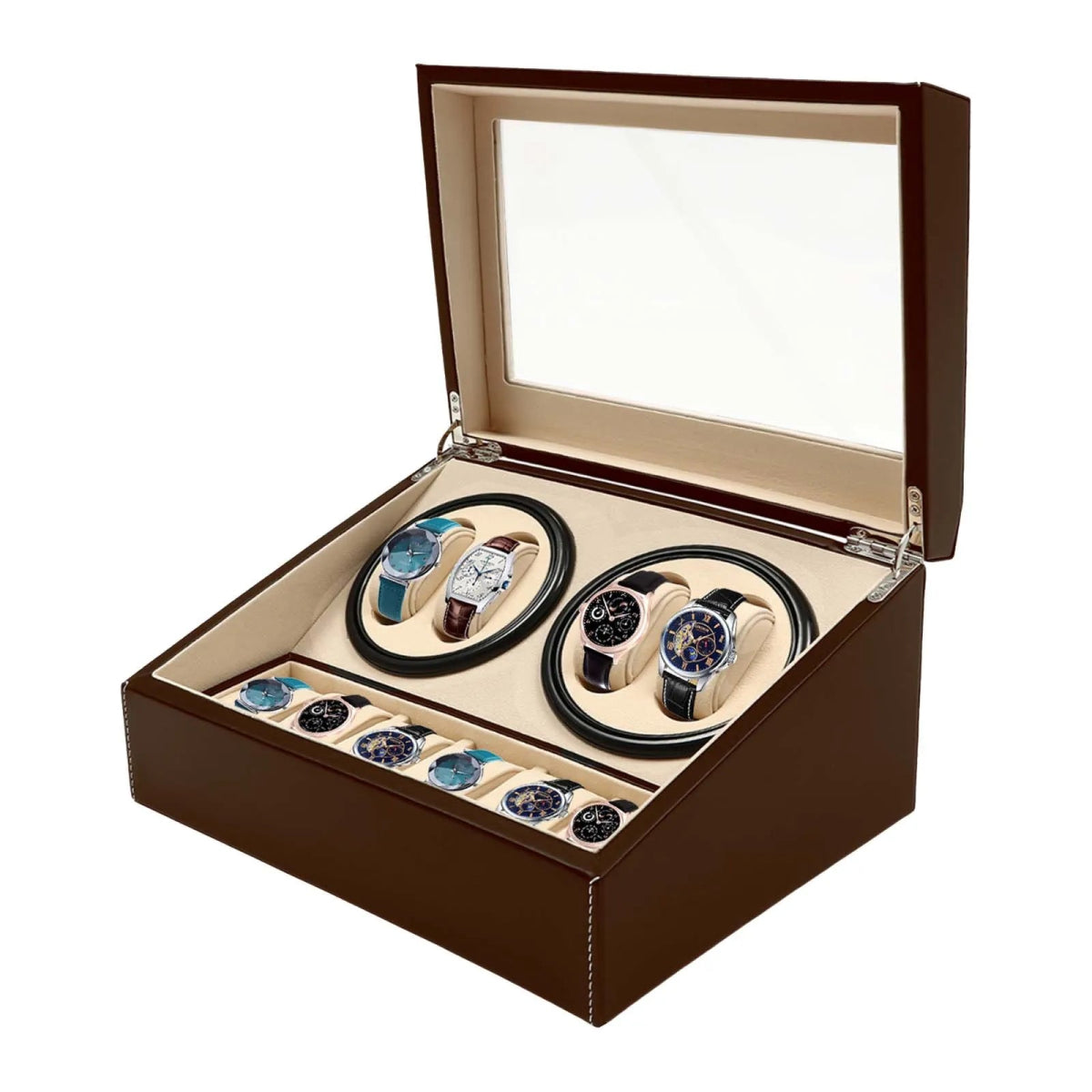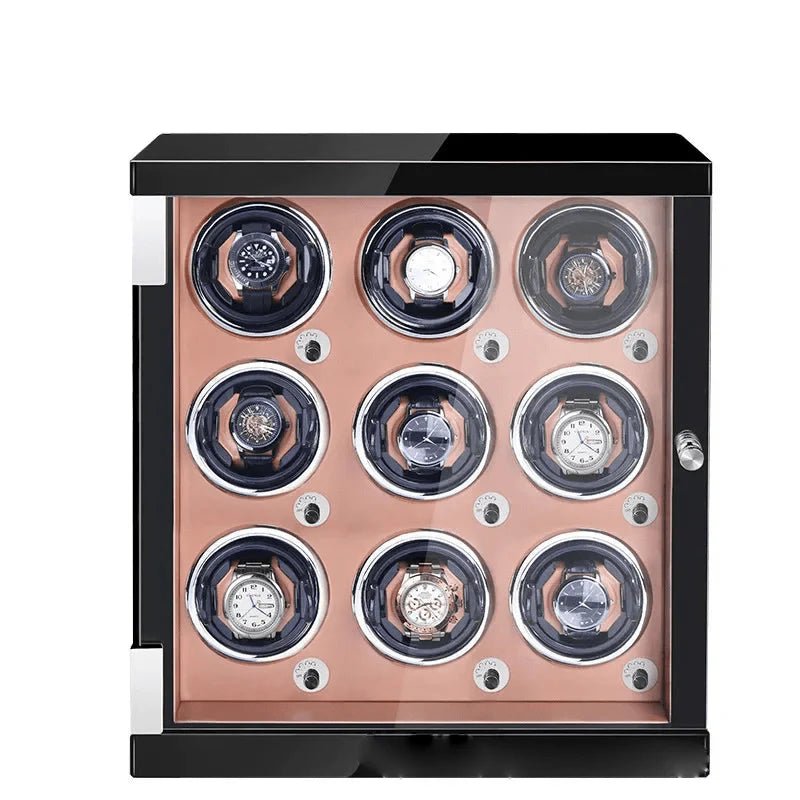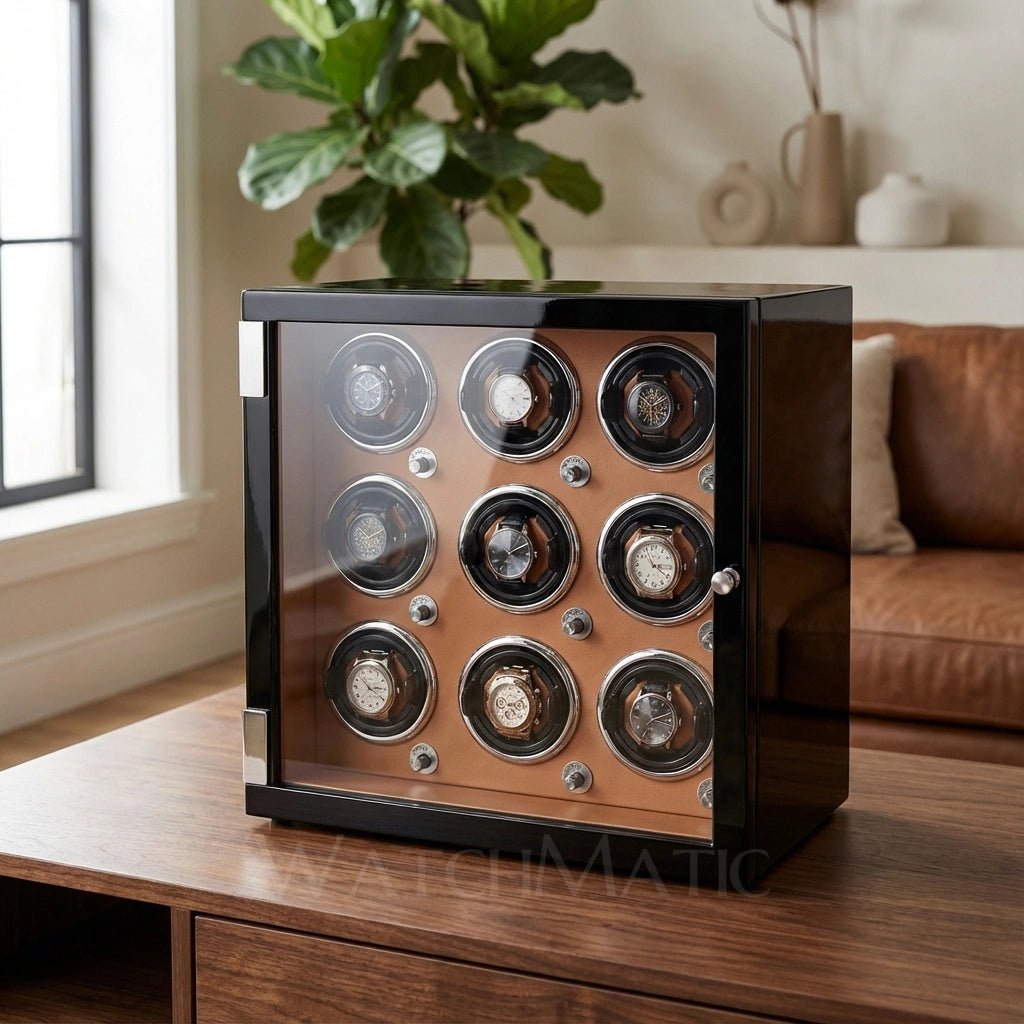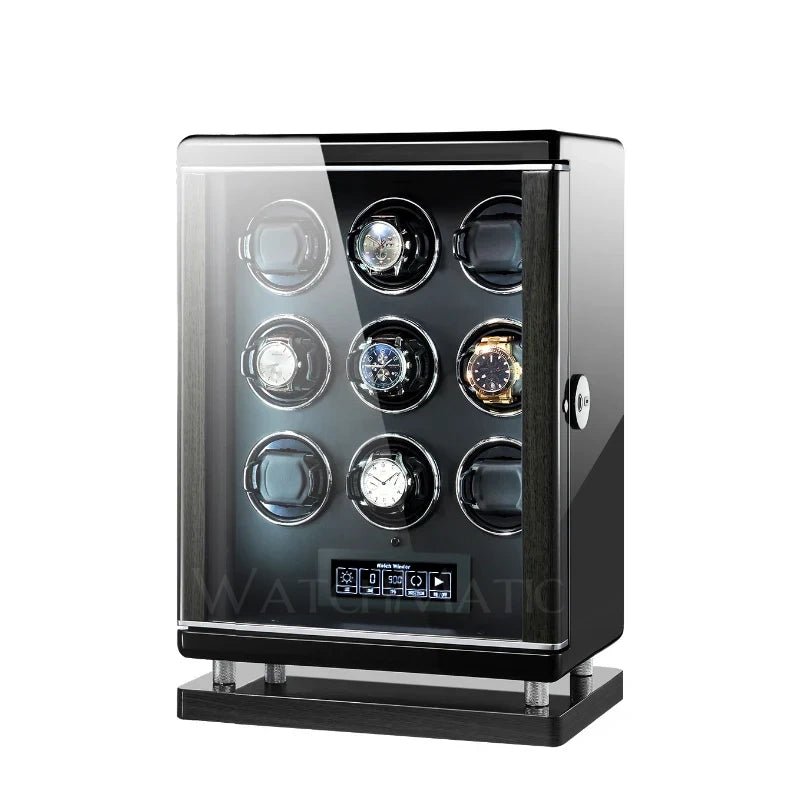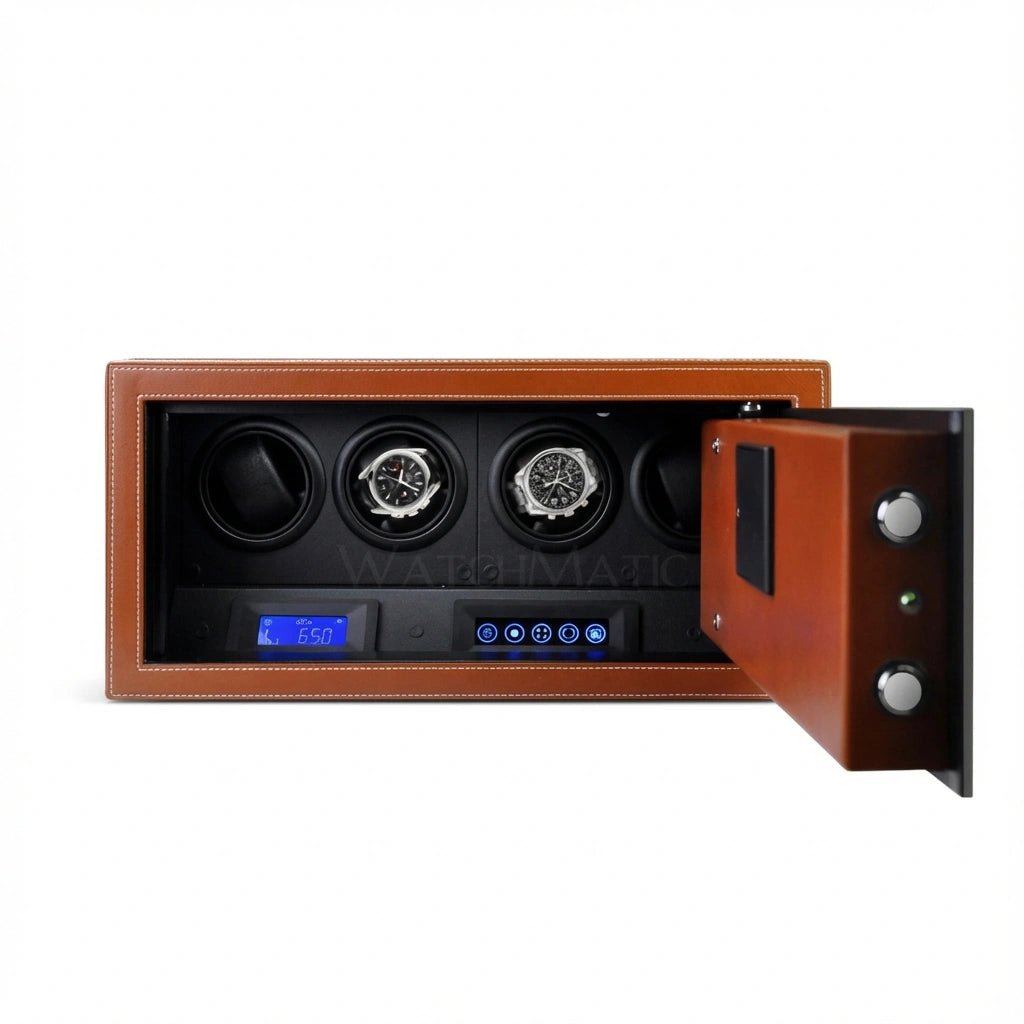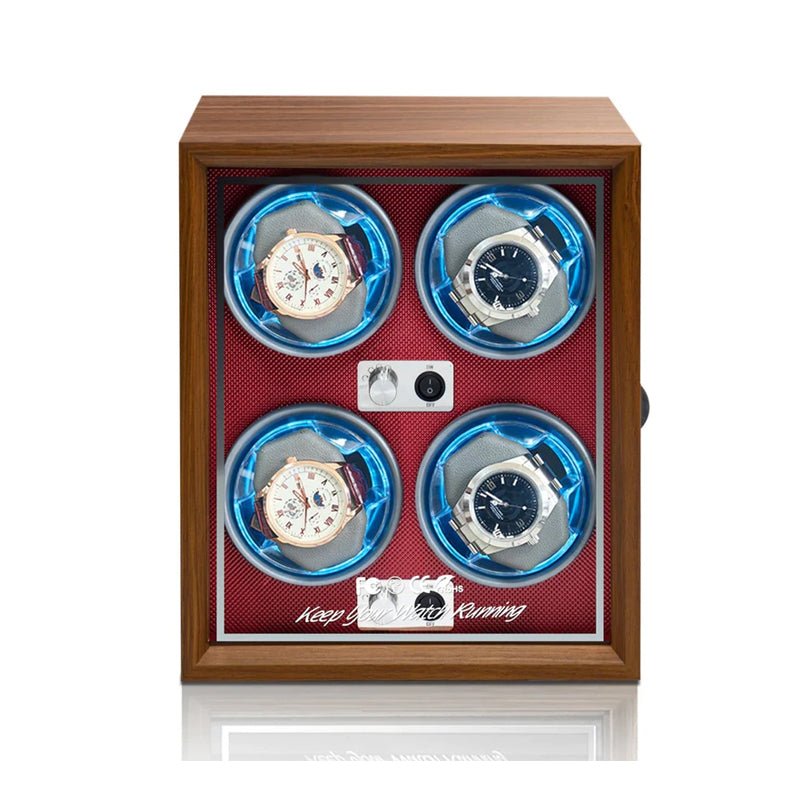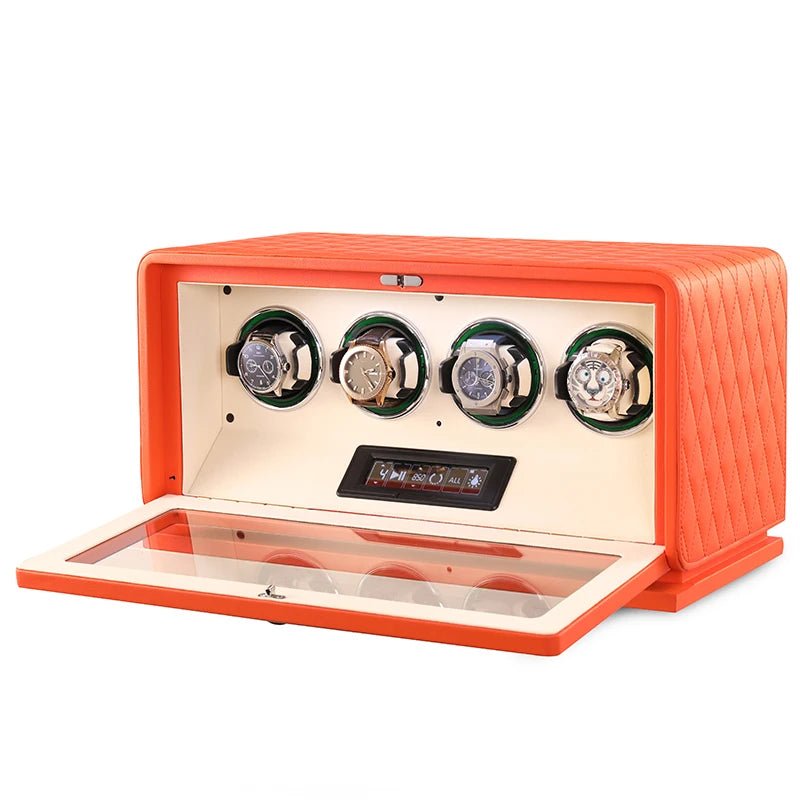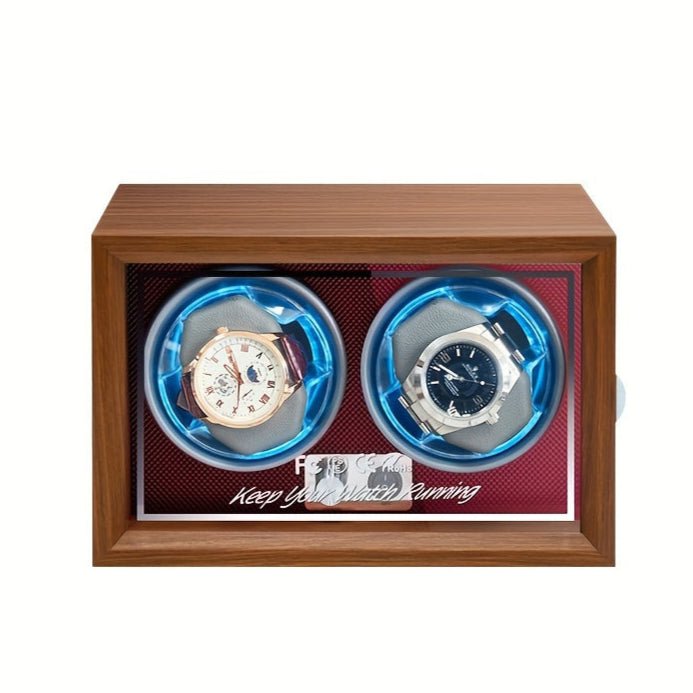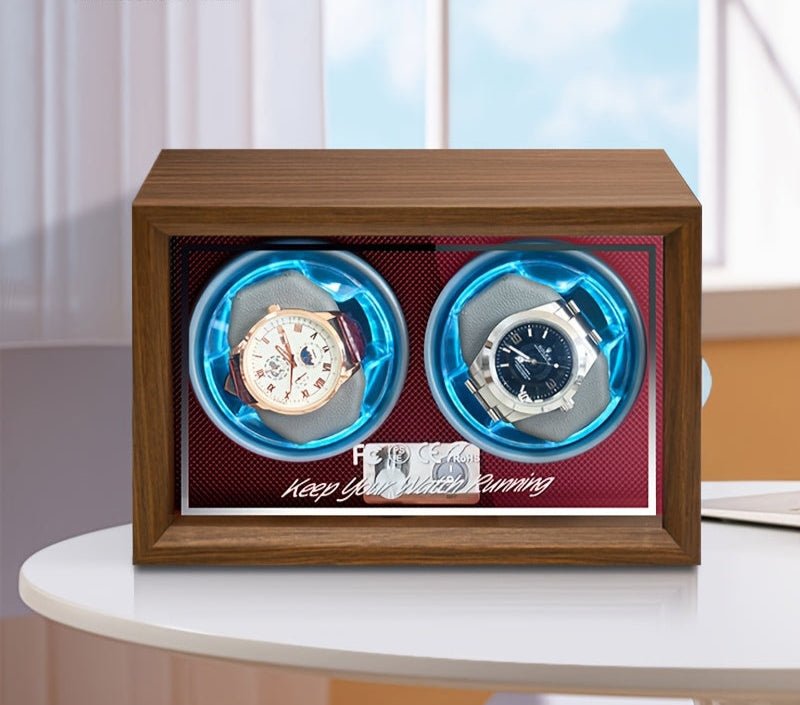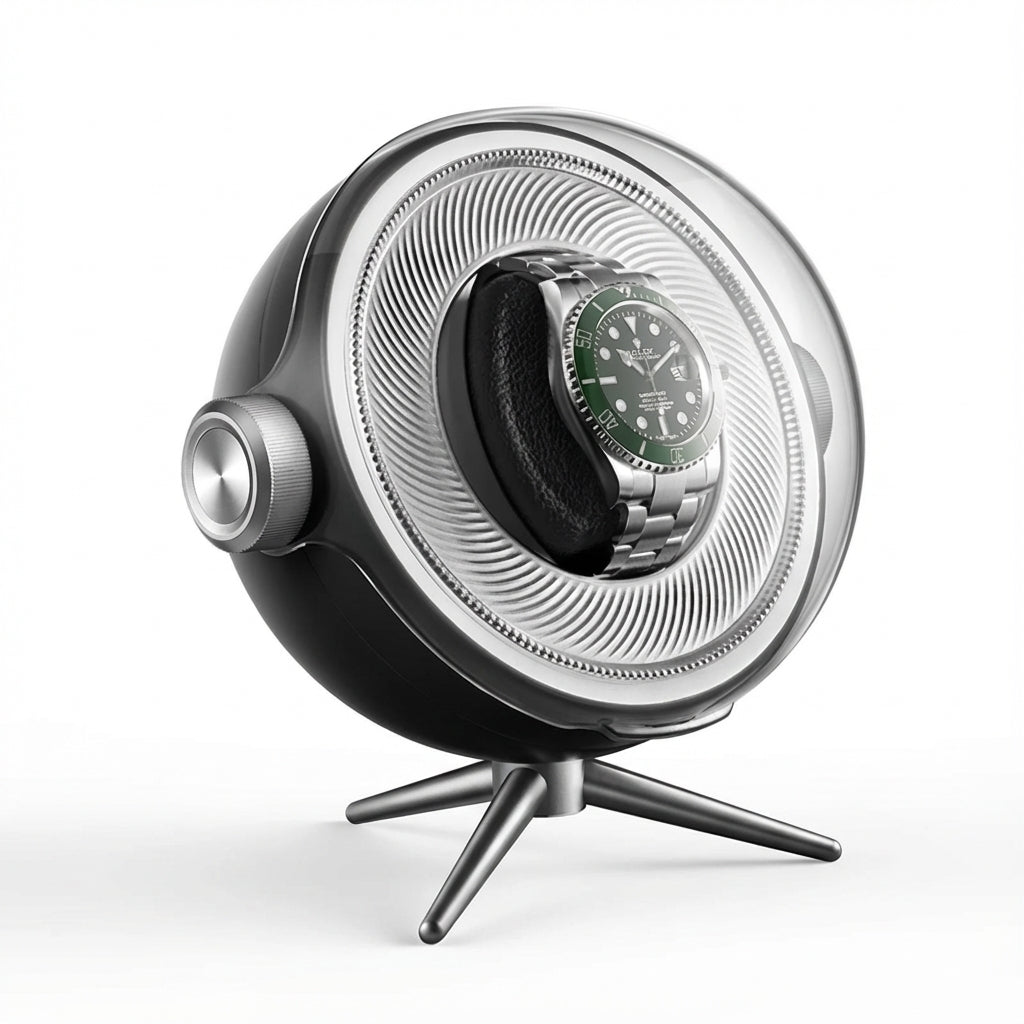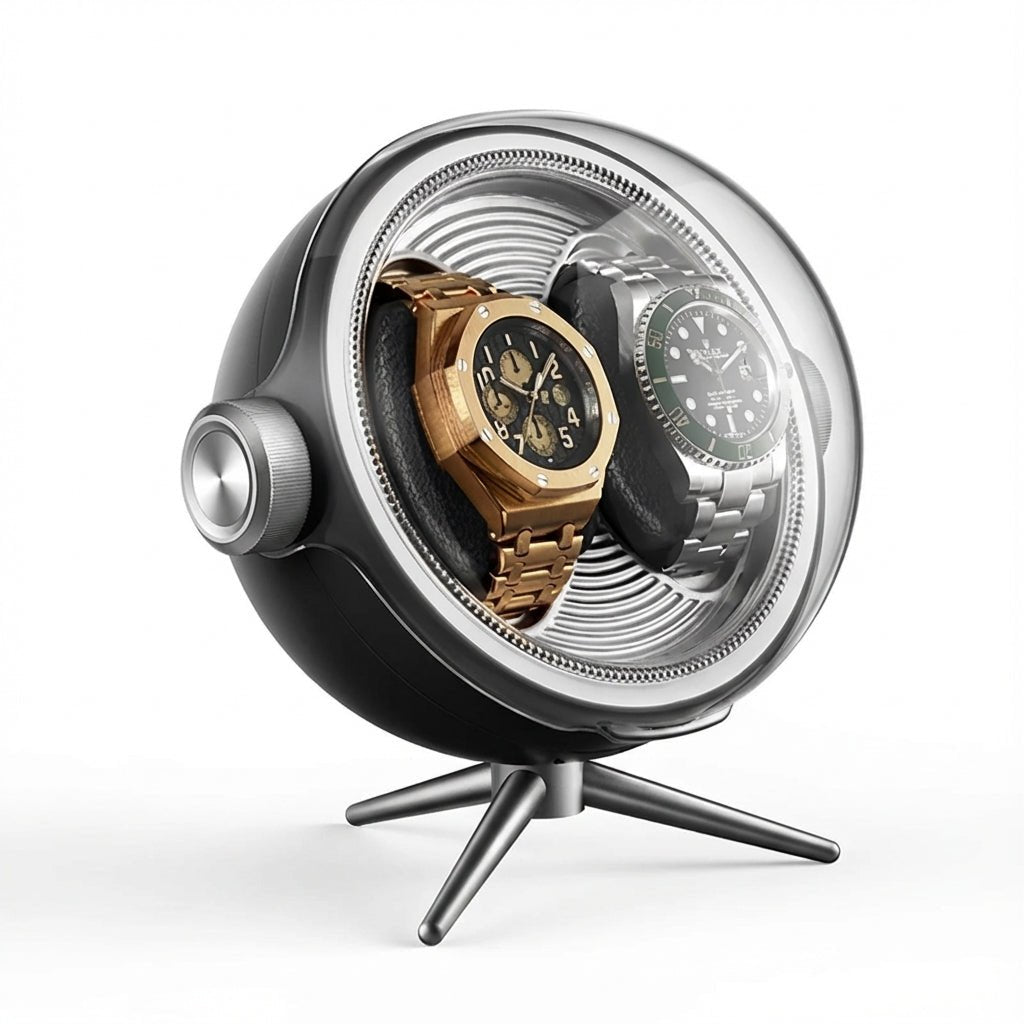
The correct rotation direction for a watch winder depends entirely on the movement's caliber: some require clockwise rotation, others counter-clockwise, and many benefit from a bi-directional (both) setting. Using the wrong direction will not damage the watch, but it will fail to wind the mainspring. WatchMatic winders provide independent control for each rotor, allowing collectors to precisely match the winding requirements of different luxury brands like Rolex, Omega, and Patek Philippe.
Understanding Winding Directionality
Every automatic watch has a rotor that spins as you move your wrist. However, not all rotors are designed to wind the mainspring in both directions. In the world of horology, movements are classified into three winding modes:
- Unidirectional (Clockwise or Counter-clockwise): The rotor only engages the winding mechanism when spinning in one specific direction.
- Bi-directional: The rotor winds the mainspring regardless of which way it spins.
At WatchMatic, we emphasize that knowing your watch’s specific requirement is the first step to successful automated winding.
1. Clockwise (CW) Rotation
Many popular movements, particularly those based on certain Valjoux or ETA calibers, are designed to wind only in a clockwise direction. If you set your winder to counter-clockwise for these models, the rotor will spin freely without tensioning the mainspring, eventually leading to the watch stopping.
2. Counter-Clockwise (CCW) Rotation
While less common than clockwise-only movements, certain calibers—including some vintage models and specific complications—require a counter-clockwise motion. This is why a professional watch winder must offer a dedicated CCW mode to ensure compatibility across a diverse collection.
3. Bi-Directional (Both) Rotation
Most modern luxury watches, such as those from Rolex or Patek Philippe, utilize bi-directional winding. For these timepieces, a "Both" setting on your winder is ideal. The device will rotate clockwise for a set period, pause, and then rotate counter-clockwise. This mimics the natural, varied movement of a human wrist and ensures the most consistent power reserve.
Why Independent Directional Control Matters
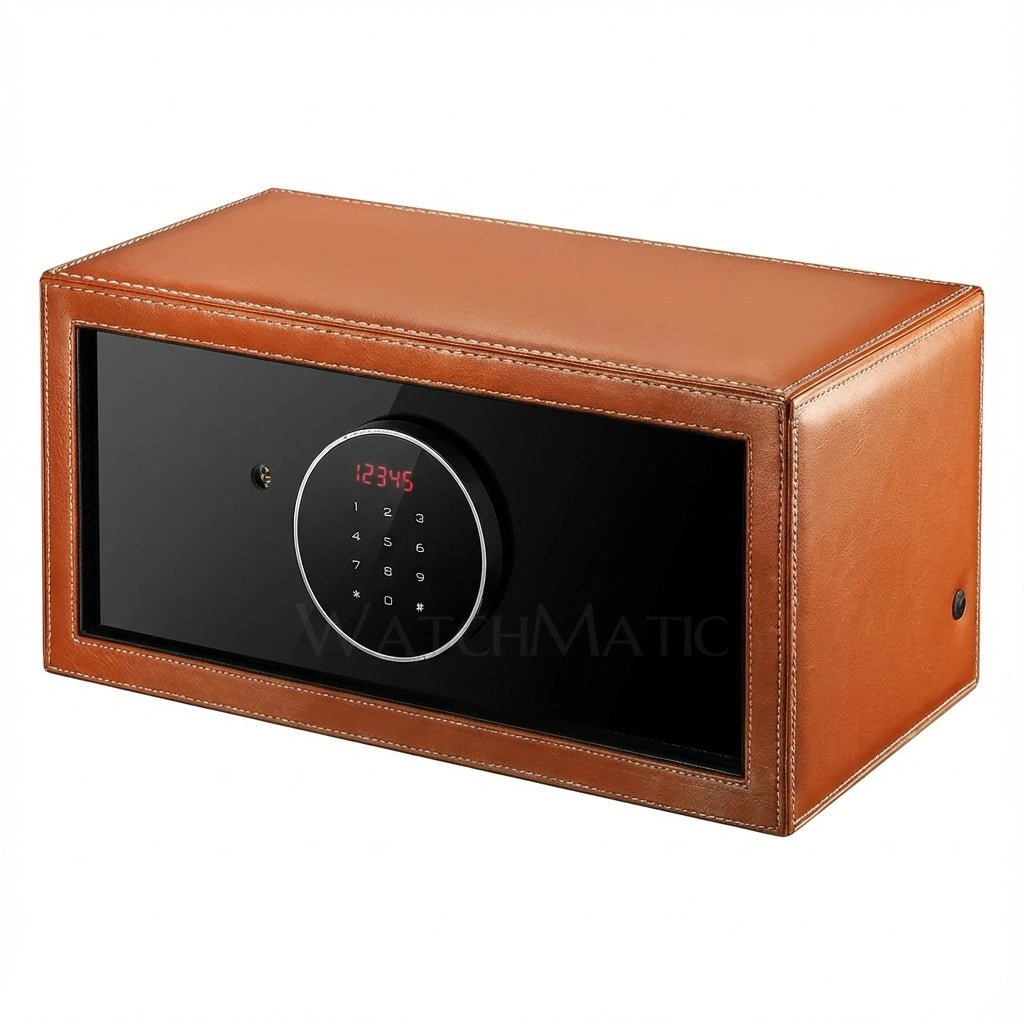
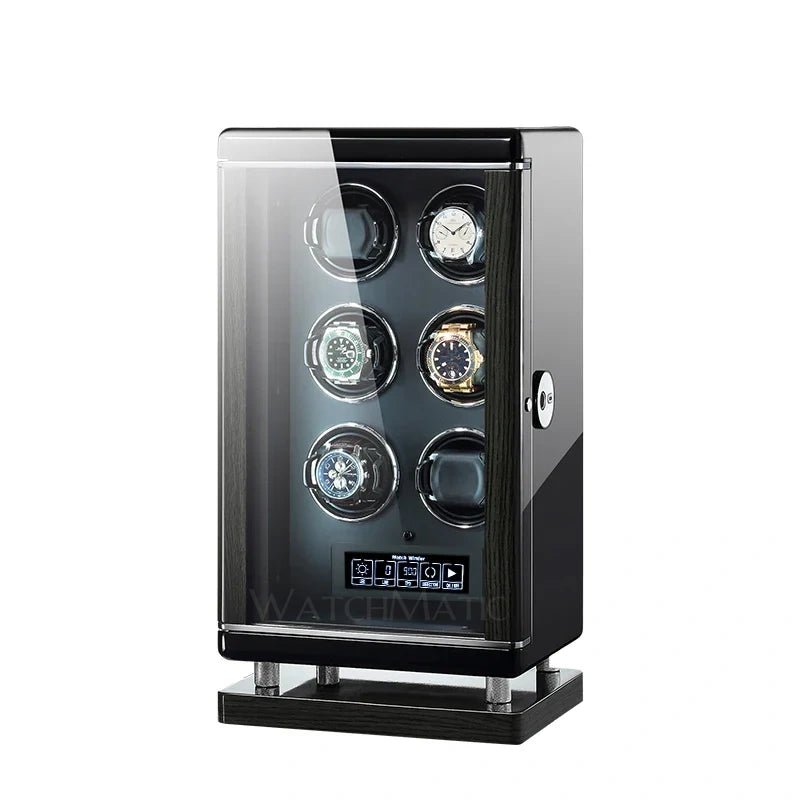
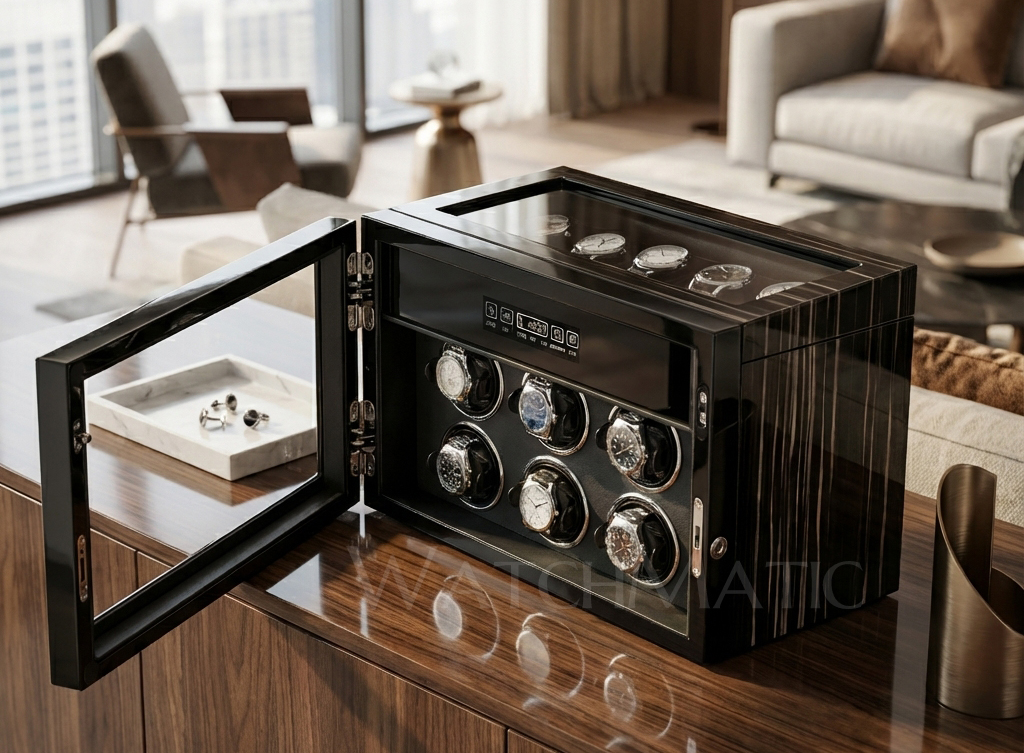
If you have a mixed collection stored in a watch winder safe box, a "global" setting for all watches often fails. One watch might stay fully wound while another stops. WatchMatic systems solve this by providing independent directional settings for every single rotor, ensuring that each caliber receives exactly the type of kinetic energy it was engineered for.